Mehmet Akif Turan and Emir Yildirim
30 September 2026•Update: 30 September 2026
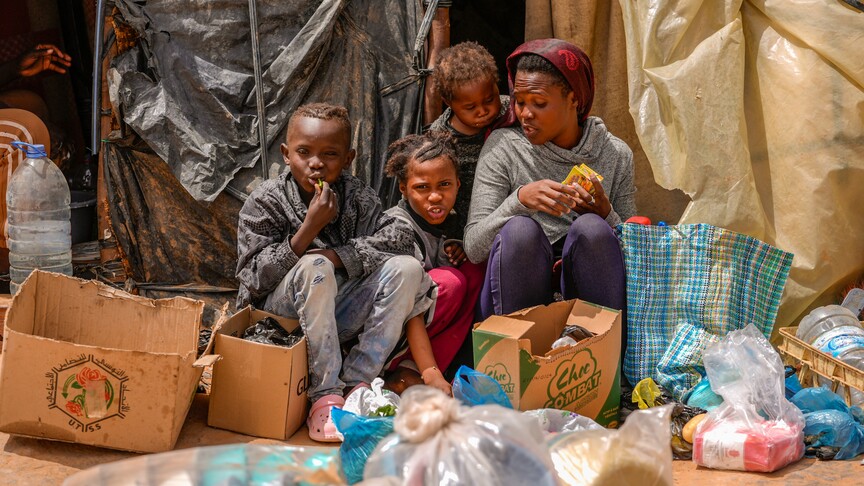
Tunisia is facing shortages of staple goods and bottled drinking water despite recent signs of economic recovery, revealing vulnerability in the nation’s supply, distribution and import chains.
The current scarcity of basic goods showed broad economic fragility in Tunisia, driven by global climate challenges, public finance constraints and hoarding.
The Tunisian economy grew 2.4% in the first half of the year amid a strong recovery in its agriculture and tourism sectors, according to official figures.
The current crisis evoked memories of the widespread bread supply crisis in the summer of 2023.
Economist Bassem Ennaifer told Anadolu that Tunisia’s public finances suffered three consecutive major shocks over the past six years amid the COVID-19 pandemic, the Russia-Ukraine war and newly emerging economic pressures.
Ennaifer stated that the persistent supply crisis for subsidized commodities, such as sugar, rice and tea, is tied to the debt burden and budget funding constraints of the Tunisian Trade Office, while the recent shortage of bottled drinking water was caused by distribution disruptions as wholesalers no longer have large inventories to buffer against heat-driven spikes in demand.
Ridha Chkoundali, an economics professor, stated that these shortages moved beyond seasonal demand, urging policymakers to implement comprehensive reforms as structural, financial and regulatory issues will keep the crisis alive.
He said that liquidity constraints in public finances delayed the import of subsidized products, while power outages and technical issues at local facilities have hindered production.
He noted that the 2.4% economic growth was short of the 3.3% target, warning that the recovery could further stall in the second half due to rising oil prices and instability in the Middle East.
The domestic food supply saw only limited benefits from a boom in Tunisian olive oil production despite strong agricultural growth, as the vast majority of the output was directed toward export markets.
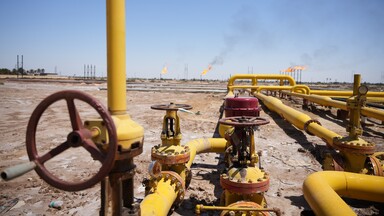
Chkoundali stated that plummeting water resources and mounting energy costs could eventually affect fuel supplies, potentially leading to new waves of shortages if these current difficulties are left unaddressed.
Tunisian authorities attributed supply issues to hoarding and market manipulation, with the Saied administration accusing speculative actors of deliberately hoarding goods to provoke a politically charged crisis.