Ekip
12 November 2015•Update: 12 November 2015
By Halima Athumani
KAMPALA, Uganda
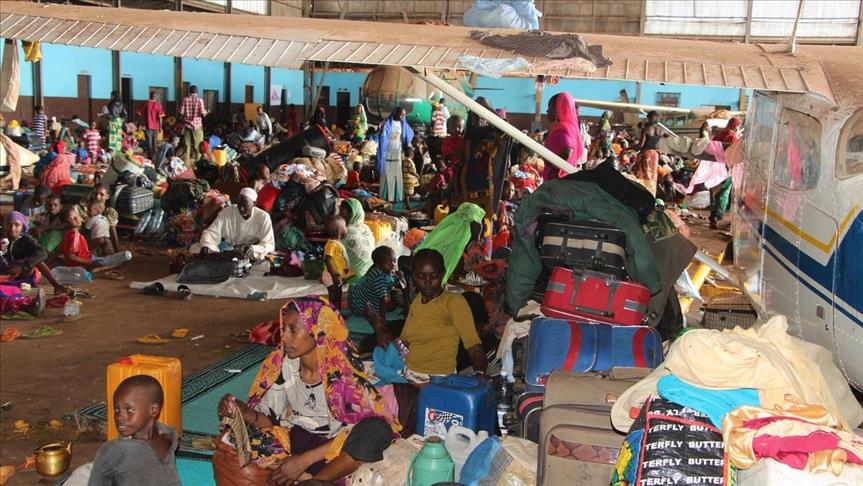
More than 1,500 people have been displaced by heavy rainfall caused by the El Nino weather cycle, Musa Ecweru, minister for Relief, Disaster Preparedness and Refugees told journalists on Wednesday.
But the Ugandan government lacks funds to aid victims and to repair damage. Meanwhile waterlogging, flooding and landslides are expected to intensify in the coming days, the minister warned.
Meteorological authorities in the country warn that the rains may continue into the new year.
In some districts such as Katakwi in Eastern Uganda: “108 homes are waterlogged with more than 20 collapsed, and hundreds of hectares of gardens submerged.”
The minister said that families had fled to schools and public buildings for shelter.
The grounds in most places prone to flooding and landslides are now saturated after weeks of torrential rains, he said.
“These houses are made of mud and the floor is soaking in water, so when someone sleeps, they are basically still sleeping in water and this makes them prone to diseases too,” he said.
In the Ntoroko district in Western Uganda, the river Semliki is at the verge of bursting its banks and it will in a few days’ time unleash floods upon 50 villages in the neighborhood. “People in the areas to be affected are advised to move families to relatives and friends on higher ground where government will deliver relief assistance,” Ecweru said.
But the government lacks funds to deliver comprehensive relief, the minister said.
“The situation is very expensive, but given our present finances, we have asked for the very modest budget of SHS32 billion ($9.12 million) in the first phase of intervention,” Ecweru said. “The Uganda Revenue Authority, the body mandated to collect taxes, has not met its targets.”
“But am sure, given what we are witnessing already, the situation is going to demand much more what we have requested,” the minister said.
The Ugandan Cabinet last week met and approved the National El Nino Preparedness and Contingency Plan to be implemented by thirteen ministries including the ministries of defense, public works, health, water, agriculture, finance and relief.
The army will be provided with special training for the disaster, and public health authorities will arrange the procurement of drugs for treatment of potential epidemics of malaria, cholera, typhoid and pneumonia.
Also the Ministry of Education, working with UNICEF, has acquired tents, and some plastic desks and scholastic materials for temporary classrooms. The Ministry of works is helping a number of district governments to repair damages as well.