Diyar Guldogan
13 April 2026•Update: 13 April 2026
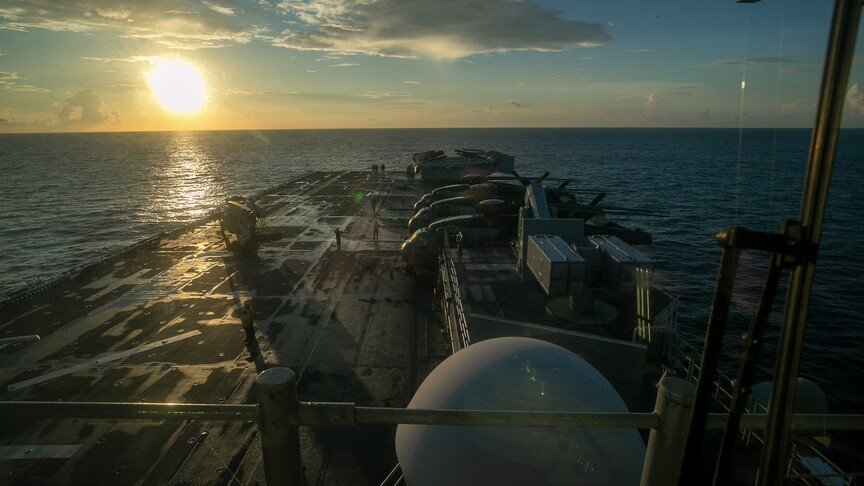
The US military on Monday began a blockade of all maritime traffic entering and exiting Iranian ports.
The US Central Command (CENTCOM), which is responsible for military operations in the Mideast, said on Sunday that the blockade will be "enforced impartially against vessels of all nations" entering or leaving Iranian ports in the Gulf and the Gulf of Oman.
"CENTCOM forces will not impede freedom of navigation for vessels transiting the Strait of Hormuz to and from non-Iranian ports," it said.
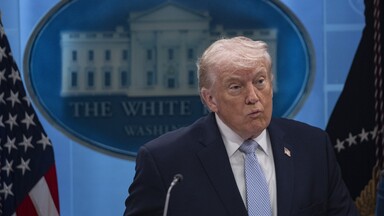
US President Donald Trump announced a blockade on Iranian ports set to take effect at 1400GMT on Monday.
The announcement followed rare direct talks between the US and Iran in Pakistan over the weekend aimed at ending the war that began on Feb. 28, but the negotiations failed to produce an agreement.
Citing a senior official, The Wall Street Journal reported that more than 15 US warships are in place to support the blockade.
After the blockade was officially underway, Trump warned that any Iranian fast-attack ships that came close would be destroyed.
"Iran’s Navy is laying at the bottom of the sea, completely obliterated - 158 ships. What we have not hit are their small number of, what they call, 'fast attack ships,' because we did not consider them much of a threat,” he wrote on his social media platform Truth Social.
"Warning: If any of these ships come anywhere close to our blockade, they will be immediately eliminated, using the same system of kill that we use against the drug dealers on boats at sea," he added, referring to controversial US strikes on small boats accused of carrying drugs from Venezuela.
Iran's Islamic Revolutionary Guard Corps on Sunday threatened to deal “severely” with any military vessels transiting the Strait of Hormuz, according to local media.