Riyaz ul Khaliq
15 April 2026•Update: 15 April 2026
China on Wednesday called for the immediate resumption of maritime traffic through the Strait of Hormuz and warned of broader economic and humanitarian risks from the conflict involving the United States and Iran.
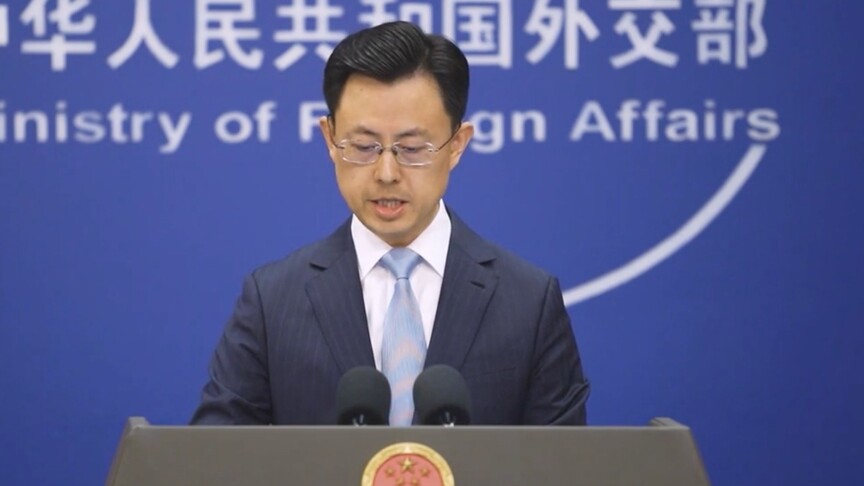
“The war should not have happened and nor should the world, especially smaller nations, bear its brunt,” Foreign Ministry spokesman Guo Jiakun told reporters in Beijing.
Guo said the US-Israeli war with Iran “has caused not only heavy casualties but severe spillover effects and hampered global growth.”
He was responding to an International Monetary Fund report that cut its baseline global growth forecast for 2026 to 3.1% from 3.3% in January. The IMF said global inflation is expected to reach 4.4% this year before easing to 3.7% next year.
“The pressing priority is to prevent by all means a relapse into fighting and to resume traffic via the Strait of Hormuz, restore peace and stability in the Middle East, and prevent the war from causing greater impact on the global economy and energy security, and even a humanitarian crisis,” Guo said.
He added that the United States is currently implementing a blockade of the key waterway through which many Asian countries obtain energy supplies from the Middle East.
Commenting on US President Donald Trump’s signal that a second round of talks with Iran could take place, likely in Pakistan, Guo said China “welcomes all efforts conducive to ending the US-Iran conflict” and praised Pakistan’s “just and balanced” role in helping secure a temporary ceasefire.
He stressed that the “momentum” of the 14-day ceasefire should be maintained through diplomatic means.
Pakistan hosted talks between the United States and Iran in Islamabad over the weekend after brokering a two-week ceasefire on April 8, but the negotiations ended without an agreement.
On Trump’s planned visit to China, Guo said both sides have maintained communication. The White House said the visit is scheduled for May 14-15, while Beijing has yet to confirm the dates after the trip was postponed by at least six weeks from its original timing in late March.