Faisal Mahmud
25 June 2026•Update: 25 June 2026
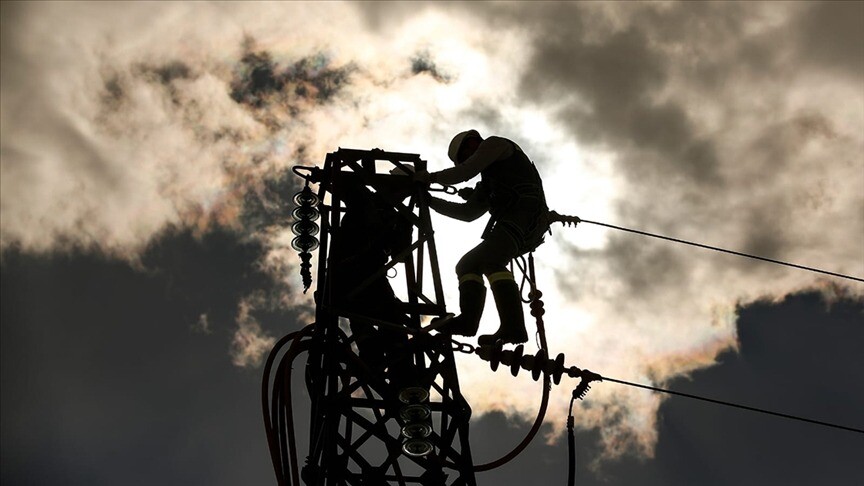
China's total installed power generation capacity reached 4.01 billion kilowatts by the end of May, the highest level in the world, while non-fossil energy continued to drive the expansion of the country's power sector, according to the National Energy Administration (NEA).
State-run Xinhua News Agency, citing data released by the NEA on Thursday, said non-fossil energy accounted for 62% of China's total installed power generation capacity at the end of May, a sharp increase from 25% in 2010, highlighting the country's rapid shift toward cleaner energy sources.
China's electricity system draws power from a diverse mix of energy sources, including coal, hydropower, wind, solar, natural gas and nuclear energy. While coal remains the country's largest source of electricity generation, Beijing has rapidly expanded renewable energy capacity, particularly wind and solar, alongside continued growth in hydropower and nuclear generation.
The latest figures underscore China's efforts to transform its energy system while meeting rising electricity demand from industry, transport and digital infrastructure.
The country has already achieved its target of installing 1,200 gigawatts of wind and solar capacity well ahead of its 2030 deadline and expects renewable energy to account for an even larger share of future capacity additions.
This expansion forms part of China's broader climate strategy, under which the government has pledged to peak carbon dioxide emissions before 2030 and achieve carbon neutrality by 2060.
Despite the rapid growth of renewables, coal continues to play a significant role in ensuring grid stability and meeting peak electricity demand as China balances energy security with its long-term decarbonization objectives.