16 November 2015•Update: 16 November 2015
By Roy Ramos
ZAMBOANGA, the Philippines
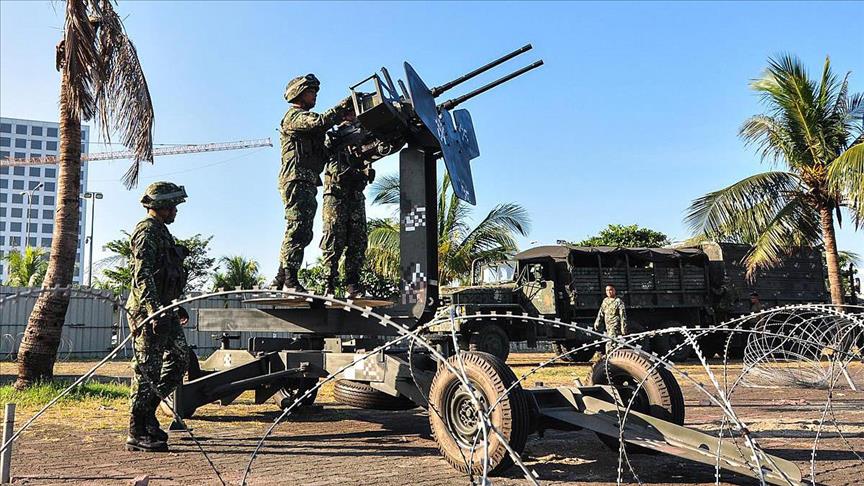
Warships, attack helicopters and anti-aircraft guns have been readied in Manila to secure a meeting of world leaders, making the Philippines capital look like a war zone.
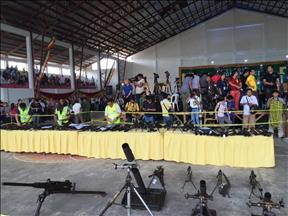
The air force has readied aircraft for air intercept missions and helicopters for patrols, armored vehicles have been deployed by the army to protect delegates and an anti-aircraft gun emplacement has been set up outside the Philippine International Convention Center -- the main venue for Wednesday's Asia-Pacific Economic Cooperation (APEC) economic leaders meeting -- in anticipation of any air attacks.
Army spokesman Col. Benjamin Hao told Philstar.com that "We have deployed sufficient armored assets around Metro Manila. We can't tell you [their] exact locations, but their mission is to assist police in securing APEC."
Air force spokesman Col. Enrico Canaya was quoted in the same piece as saying that planes and helicopters would be on full alert in strategic locations.
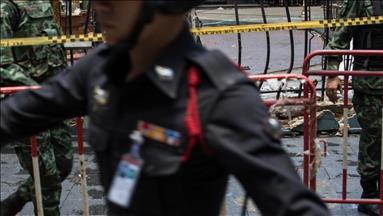
The Philippines had earlier announced that 30,000 security personnel from the presidential security group, the police, military and other law enforcement agencies had been tasked to ensure the safety of heads of state and delegates.
The force also includes anti-riot groups to deal with protesters expected to rally when the summit opens Wednesday.
The navy has deployed one of its newly-acquired modern warships to secure the meetings from naval attacks.
It will assist the coast guard in implementing a no-sail zone in Manila Bay.
The ship is equipped with high-powered cannons and -- together with a command-and-control helicopter -- can respond within minutes to any attack.
Police said they have received no terror threats ahead of the meeting, but authorities are not willing to take any chances.
The summit is expected to be attended by United States President Barack Obama, Chinese President Xi Jinping and Japanese Prime Minister Shinzo Abe among representatives from APEC's 21 member economies.
Security had been tightened further after Friday's attacks in Paris which left 132 people dead.
The violent Abu Sayyaf group in the Southern Philippines has pledged allegiance to Daesh -- which claims responsibility for the attacks -- while another armed group in the region, the Bangsamoro Islamic Freedom Fighters, has also offered its support to Daesh.