Riyaz ul Khaliq
15 April 2026•Update: 15 April 2026
South Korea on Wednesday said that it has “no plans at this stage” to pay a toll to Iran in order to get its stranded ships out of the Strait of Hormuz.
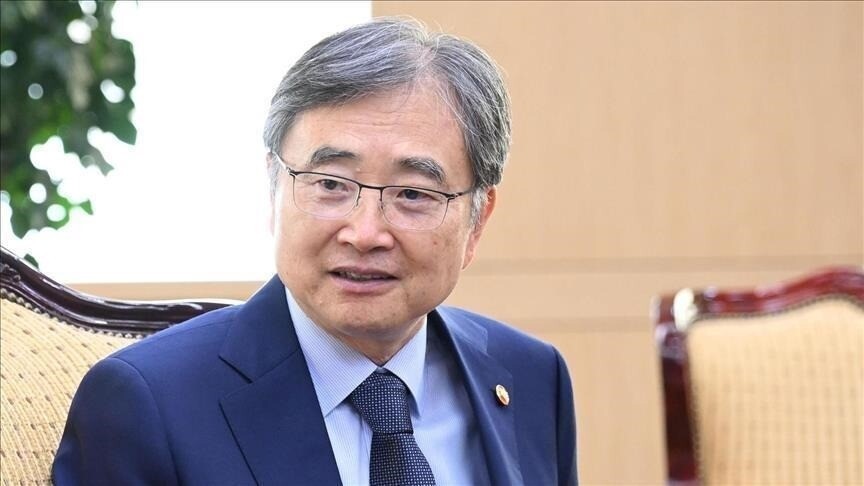
“At this stage, we have no plans to pay Iran any form of compensation or to take any action that would run counter to what the United States has stated,” Foreign Minister Cho Hyun told lawmakers in parliament.
Cho revealed Seoul has shared data on its ships to Iran as well as the US and other Gulf nations, Yonhap News reported.
Separately, presidential aide Kang Hoon-sik said South Korea has secured 273 million barrels of crude oil imports from four Middle Eastern countries by the end of the year,
The statement came after his eight-day trip to Oman, Saudi Arabia, Qatar and Kazakhstan.
Iran has maintained control of the Strait of Hormuz amid conflict with the US and Israel, affecting global energy supplies.
However, the US imposed a blockade of the key waterway on Monday with President Donald Trump saying the move was aimed at forcing Tehran back to the negotiating table.
The two warring sides have been observing a 14-day ceasefire since April 8.
Late last month, the Iranian ambassador in Seoul said South Korean ships can go through the Strait of Hormuz, but only after coordination with Tehran.
Seoul paid roughly $144 billion in 2024 for its energy purchases from the Middle East.
As one of the most energy-dependent nations, Seoul has dispatched special envoys to Algeria and Libya and plans to send another envoy to the Republic of Congo to seek new supply routes amid the Middle East crisis.
To cushion the economic impact of the Mideast conflict, President Lee Jae Myung’s government is implementing an extra budget of $17.7 billion.
According to the country’s Industry Ministry, the government will cover additional shipping costs crude importers have to bear when importing alternative supplies from regions other than the Middle East.
The ministry said the compensation is expected to amount to 127.5 billion won ($$86.6 million).