Aamir Latif
05 May 2026•Update: 05 May 2026
The Pakistan Army’s top brass on Tuesday said that the regional peace and stability are "intrinsically" linked to "collective restraint, responsibility, and respect for sovereignty" as Islamabad continues efforts to revive stalled talks between the US and Iran to end a lingering Middle East conflict.
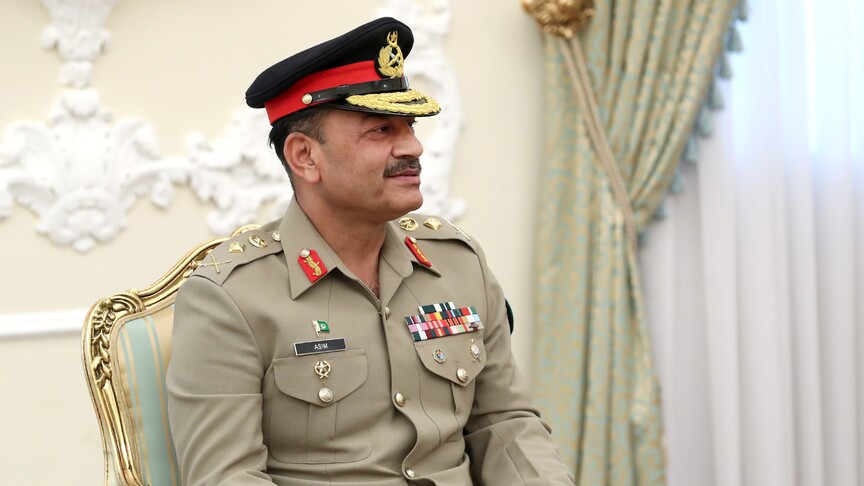
A joint statement by the corps commanders' conference, held at the army's headquarters in the garrison city of Rawalpindi with army chief Field Marshal Syed Asim Munir in the chair, underscored the importance of "restraint and avoidance of escalation," acknowledging Pakistan’s continued "responsible" role in advocating stability and supporting efforts aimed at preventing further deterioration of the situation.
Deliberating on the broader regional security environment, the conference noted that emerging geopolitical developments carry significant implications for regional stability.
On Feb. 28, the US and Israel initiated war on Tehran, killing over 3,300 people in Iran besides displacing tens of thousands.
At least 13 US servicemen were killed and dozens of others wounded during the conflict, which saw Iran retaliating against US bases and assets across the Middle East.
With Munir playing an active role in the ongoing mediation, Pakistan hosted the first round of negotiations between Washington and Tehran on April 11-12 but failed to produce an agreement to end the war.
The talks followed a two-week ceasefire brokered by Pakistan on April 8, which was later unilaterally extended by US President Donald Trump without a new timeframe.
Pakistan’s Foreign Minister Ishaq Dar on Tuesday also hoped that the peace talks between the US and Iran to end the Middle East conflict will conclude "soon."
Addressing a meeting of foreign diplomats in Islamabad, Dar said that Pakistan is continuing its mediation to bring a negotiated settlement to the conflict.
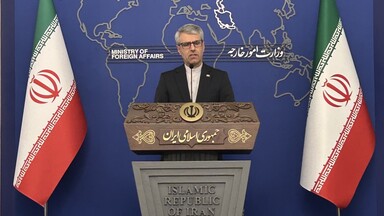
His remarks came ahead of Iranian Foreign Minister Abbas Aragchi's crucial visit to China to discuss the latest regional developments with his Chinese counterpart Wang Yi.
Pakistani government sources told Anadolu that Islamabad is expecting Tehran's response to the latest US proposal, which demands inclusion of the nuclear issue in talks to permanently end the war, "by the end of this week."
The US has rejected Tehran's 14-point proposal, including the postponement of nuclear talks, insisting that the thorny issue be linked to a permanent ceasefire, sources added.
Iran last week confirmed that it had received the US response to its 14-point formula through Pakistan and is currently reviewing it.