Mucahithan Avcioglu
16 April 2026•Update: 16 April 2026
China’s economy grew 5% year-on-year in the first quarter of 2026, supported by strong exports and industrial output, but weak domestic demand and fallout from the Iran war clouded the outlook.
Data from the National Bureau of Statistics on Thursday showed gross domestic product accelerated from 4.5% in the previous quarter and exceeded market expectations of 4.8%.
The figures suggest the world’s second-largest economy started the year on firmer footing, even as Beijing maintained its 2026 growth target at 4.5% to 5%, reflecting concerns over soft demand and trade tensions with the United States.
The statistics bureau said the external environment is becoming more complex and volatile, warning that the imbalance between strong supply and weak demand remains pronounced.
Mixed domestic indicators
Urban fixed-asset investment rose 1.7% in the first quarter from a year earlier, below expectations for 1.9% growth. The property downturn deepened, with real estate investment falling 11.2% as of March, compared with a 9.9% decline a year earlier.
Retail sales increased 1.7% in March, slowing from 2.8% in February and missing expectations of 2.3%. Industrial output rose 5.7% in March, slightly above expectations but below February’s 6.3% increase.
For the full quarter, industrial production climbed 6.1% year-on-year, far outpacing retail sales growth of 2.4%, underscoring the economy’s reliance on manufacturing and exports rather than household demand.
Some consumer spending remained resilient, supported by Lunar New Year demand and government subsidies encouraging purchases of communication equipment, as well as gold and jewelry. However, weaker auto sales pointed to continued caution among households on big-ticket spending.
The outlook has been further complicated by the Iran war, which has raised oil and transport costs and added pressure to external demand.
As the world’s largest oil importer and an export-driven economy, China is particularly exposed to higher energy costs that are already affecting trade flows and production expenses.
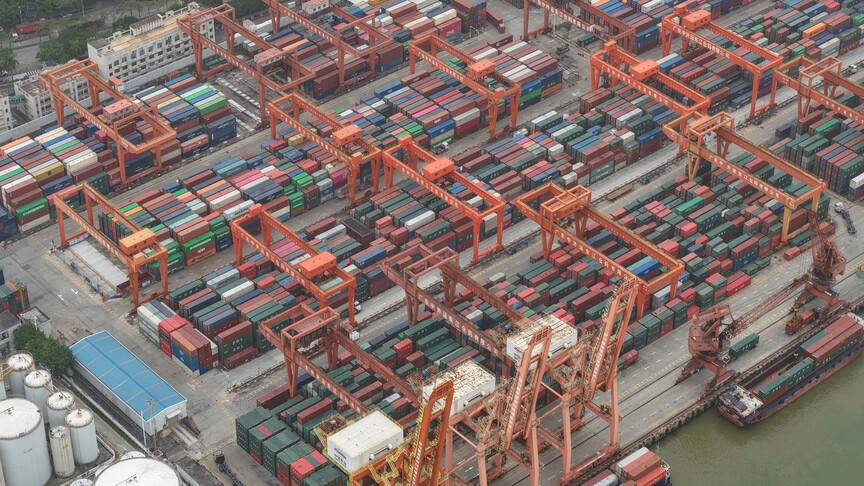
Export growth slowed to 2.5% in March from 21.8% in the January-February period, as rising energy and logistics costs linked to the conflict weighed on demand.
Factory-gate prices rose in March for the first time in more than three years, signaling that higher energy costs are beginning to filter through to the manufacturing sector and squeeze corporate margins.