Egypt to require further aid packages
The IMF indicates Egypt's “weak” performance will continue until 2018, despite the interim government's growth claims.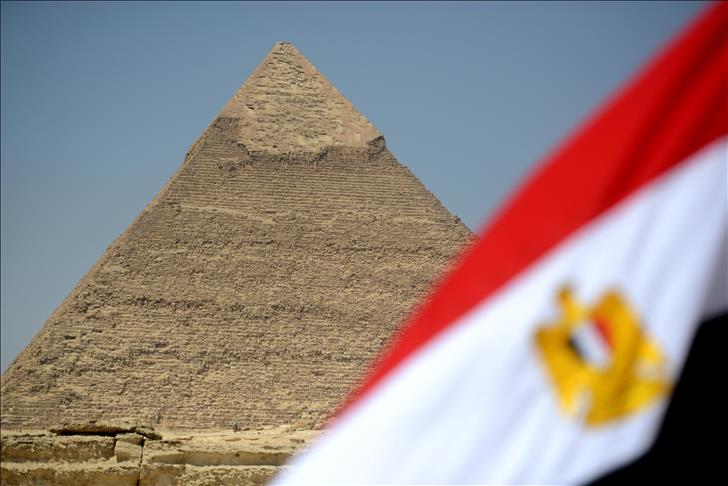
ISTANBUL
The political and security vacuum which ensued after the Egyptian military ousted elected President Mohamed Morsi has led to the economy's deterioration with each passing day as the required steps are not being taken.
The political instability, security and curfew are recorded as inflicting significant damage on the economy.
While Arabian Gulf countries pledged 12 billion dollars in aid to the most populated Arab nation's transitional government after the military's overthrow of Morsi, Egypt will require additional aid worth 20 billion dollars for its approximate 32.3 billion dollar budget deficit.
While the statement of IMF President Christine Lagarde that a credit agreement would not be made with a country governed by "an interim administration” was seen as a signal that international finance and credit institutions would close their doors to Egypt, interim President Hazem Beblawi has been defending that there is no option other than raising taxes.
Meanwhile, deputy president and International Cooperation Minister Ziyad Bahaaddin noted Egypt needs a Marshall Plan financed by the Gulf states, and Finance Minister Ahmed expressed the economy cannot be straightened out before political reconciliation.
Although Beblawi may claim that the Egyptian economy is developing despite the IMF's weak growth estimates, the IMF's report suggests the opposite.
Beblawi's claim that the Egyptian pound had gained against the USD followed the IMF's statement that the growth rate, which the government forecasted at 3.5 percent, would remain at 2.8 percent.
The IMF indicated that Egypt's “weak” performance would continue until 2018.
Egypt will likely require additional large aid packages toward the middle of 2014, the Economist magazine's Middle East and North Africa risk analyst chief editor Robert Powell told an AA correspondent.
Noting that energy subsidies currently account for nearly 20 percent of budget spending, Powell explained that the current administration would not decrease subsidies and would be unable to arrive at a long-term stand-by agreement with the IMF.
englishnews@aa.com.tr