Mucahithan Avcioglu
08 April 2026•Update: 08 April 2026
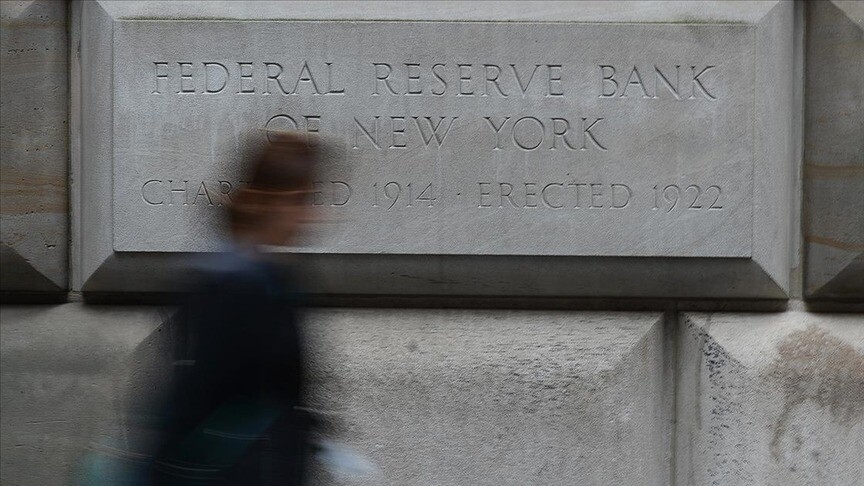
US Federal Reserve Vice Chair Philip Jefferson said Tuesday that the central bank’s current interest rate stance remains appropriate despite elevated uncertainty stemming from the Iran war, trade policy risks, and higher energy prices.
In prepared remarks for a speech at the University of Detroit Mercy, Jefferson said the recent rise in energy prices is likely to put upward pressure on headline inflation in the near term, while geopolitical tensions and uncertainty over trade policy continue to cloud the outlook.
“I remain cautious about my outlook,” Jefferson said. “Uncertainty about the economy is elevated, and the rise in energy prices and the conflict in the Middle East add to that uncertainty.”
He said the current policy setting is broadly in a range that neither stimulates nor restrains economic activity, adding that it is well positioned to allow the Fed to assess incoming data while supporting employment and helping inflation return to its 2% target as the effects of tariffs fade.
Jefferson said he still expects the broader disinflation trend to continue but warned that the war and energy market pressures have made the inflation outlook more complicated.
“The recent increase in energy prices, however, will apply some upward pressure on headline inflation, at least in the near term,” he said. “The ongoing trade policy uncertainty and geopolitical tensions pose upside risk to my inflation forecast.”
His remarks come as Fed officials grow increasingly concerned that the conflict in the Middle East could weigh on the US economic outlook by driving up energy prices and disrupting supplies of other key commodities.
The Fed left interest rates unchanged at its March 17-18 policy meeting, while warning that uncertainty remained elevated.
Jefferson also flagged risks to the labor market, saying conditions appear broadly balanced but could weaken if uncertainty remains high and businesses continue to delay hiring.
“If the current elevated level of uncertainty persists, there is a risk that firms’ reluctance to hire could also persist and hold down job growth for longer,” he said.
He added that he would remain attentive to the pace of job growth as he assesses possible fragilities in the labor market.