Mucahithan Avcioglu
24 April 2026•Update: 24 April 2026
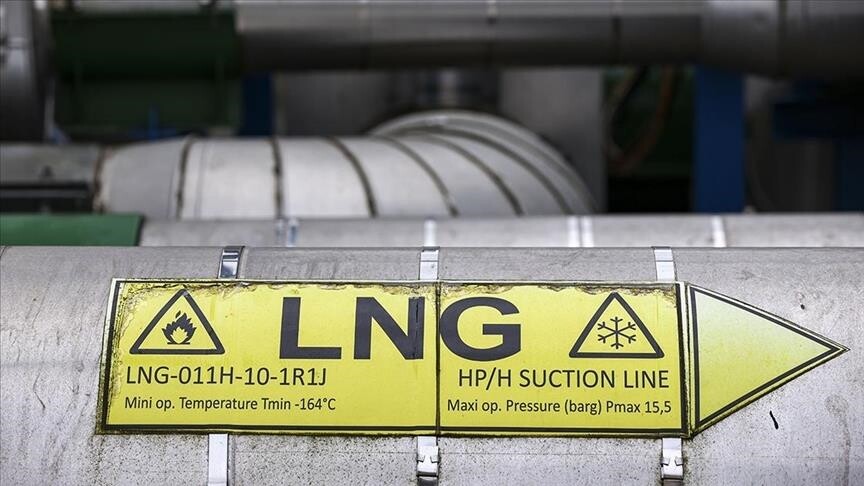
The global natural gas market is expected to remain tight through 2027 as the Middle East conflict and damage to regional infrastructure disrupt supplies and delay an anticipated wave of new liquefied natural gas (LNG) capacity, the International Energy Agency said Friday.
In its latest quarterly gas market report, the agency said the conflict has significantly altered the global gas outlook, increasing price volatility and pushing back the expected easing of global gas balances.
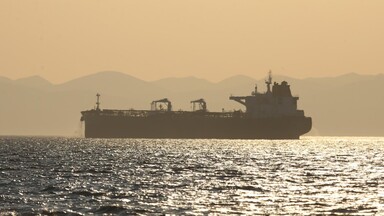
Disruption to shipping through the Strait of Hormuz since early March has created “unprecedented uncertainty,” removing close to 20% of global LNG supply from the market and pushing gas prices in Asia and Europe to their highest levels since January 2023.
The crisis reversed a rebalancing trend seen during the 2025/26 heating season, when global LNG trade rose 12% year-on-year between October and February, while benchmark prices in Europe and Asia fell by around 25%.
Market conditions shifted sharply in March as the conflict led to the de facto closure of the Strait of Hormuz to LNG cargoes.
Global LNG production fell 8% year-on-year, with lower exports from Qatar and the United Arab Emirates only partly offset by higher output from other regions, the IEA said.
Higher prices, milder weather and policy measures weakened gas demand in key importing markets. In Europe, gas demand fell by around 4% year-on-year in March, largely due to stronger renewable electricity generation.
The IEA said damage to Qatar’s LNG liquefaction infrastructure is expected to reduce projected supply growth and delay the impact of the anticipated global LNG expansion wave by at least two years.
The combined effect of short-term supply losses and slower capacity growth could result in a cumulative loss of around 120 billion cubic meters of LNG supply between 2026 and 2030.
Although new liquefaction projects elsewhere are expected to offset these losses over time, the disruption is likely to prolong tight market conditions through 2026 and 2027.
The agency said the crisis underscores the need for adequate investment across the LNG value chain, closer international cooperation between producers and consumers, and diversified long-term contracts to limit exposure to price volatility.