Melike Pala
04 November 2026•Update: 04 November 2026
The European Commission presented indicative accession roadmaps on Wednesday for Montenegro, Albania, Moldova and Ukraine, along with plans to deepen candidate countries' integration into key EU sectors ahead of membership.
The measures were announced as part of the commission's 2026 Enlargement Package, which takes stock of progress made by enlargement partners during the last year and identifies reform priorities for the period ahead.
The roadmaps set out concrete milestones and targets for the four countries, which have made "significant progress" in their EU accession negotiations, opening negotiation clusters and provisionally closing chapters.
Montenegro has made the most progress, having provisionally closed 21 negotiating chapters, and it could provisionally close the remaining chapters by the end of this year.
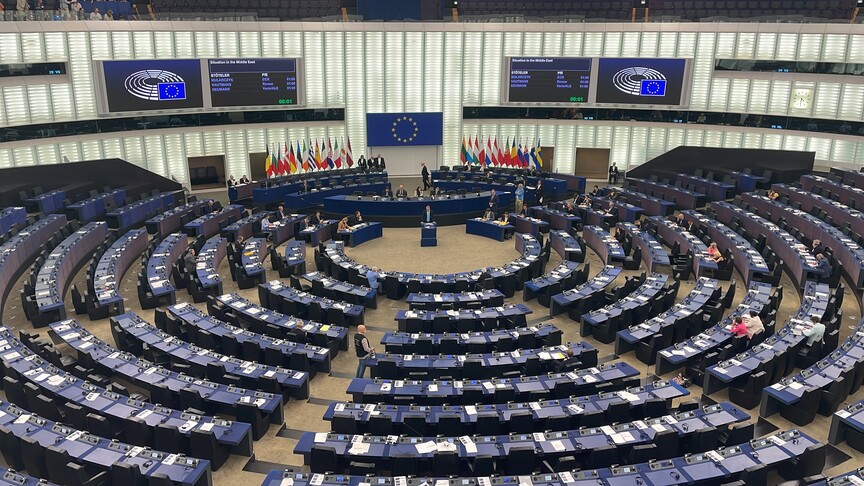
"Work on Montenegro's accession treaty is already underway ... Montenegro is on track to become the 28th member of the European Union in 2028," European Commissioner for Enlargement Marta Kos told lawmakers at the European Parliament's Committee on Foreign Affairs.
Albania opened its last remaining negotiation cluster during the reporting period and met interim benchmarks on rule of law chapters, paving the way for the provisional closure of four chapters.
The commission said Albania could conclude accession negotiations by 2027, but stressed that maintaining reform momentum and fostering inclusive political dialogue would be essential.
Moldova met the conditions required to open all remaining clusters and said maintaining the current pace of reforms would be crucial to its objective of concluding accession negotiations by early 2028, according to the commission.
The commission said Kyiv met the conditions required to open all remaining clusters, while identifying the rule of law, democratic institutions and public administration reform as key priorities.
Gradual integration ahead of membership
Alongside the accession roadmaps, the commission presented a common framework for gradual integration to bring candidate countries closer to the bloc before they formally become members.
The framework identifies opportunities to deepen cooperation and integration in strategic sectors, including energy, transport, digital technologies and defense.
Kos said the new model would bring clear benefits to candidate countries and EU member states, while advancing shared strategic priorities.
She announced that the commission would launch gradual integration dialogues with enlargement partners in the first quarter of next year to assess existing measures, their financing and identify further opportunities for integration.
The discussions will help determine more tailored opportunities for each partner.
Serbia, North Macedonia, Bosnia and Herzegovina, Georgia
Serbia made no substantive progress in accession negotiations, with concerns about democratic standards, societal polarization and its limited alignment with the EU's Common Foreign and Security Policy, according to the commission.
North Macedonia continued work on opening benchmarks but has yet to adopt the constitutional amendments it committed to undertake.
Bosnia and Herzegovina's integration process has been increasingly affected by political divisions, while Kosovo's process has stalled amid a prolonged institutional crisis.
Georgia's accession process remains "de facto halted," with the commission maintaining its assessment that the country is a candidate "in name only."