Alyssa Mcmurtry
17 June 2026•Update: 17 June 2026
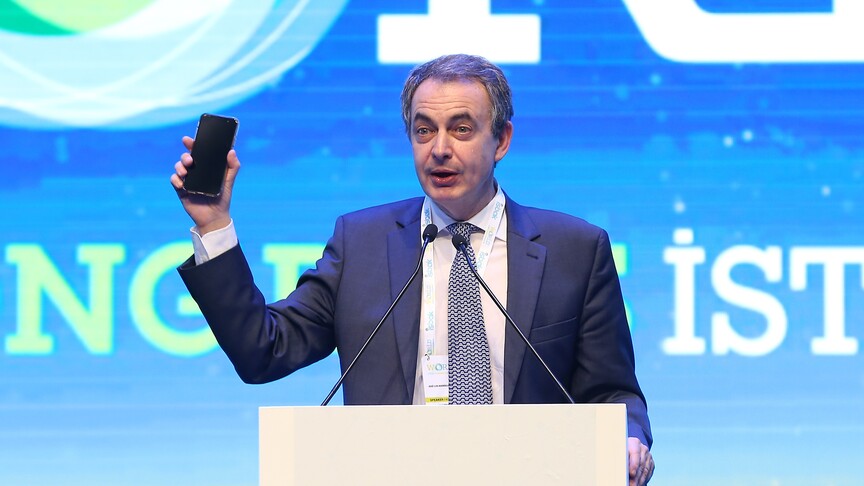
Former Spanish Prime Minister Jose Luis Rodriguez Zapatero denied Wednesday that he played any role in securing a €53 million ($61 million) government bailout for airline Plus Ultra, as he testified before Spain's National Court in a corruption investigation.
Zapatero, Spain's Socialist prime minister from 2004 to 2011, appeared in court as a suspect in a probe examining whether influence was improperly used in connection with the airline's state rescue during the COVID-19 pandemic.
Following more than three hours of testimony, anti-corruption prosecutors asked the court to confiscate Zapatero's passport and require him to appear before judicial authorities every two weeks while the investigation continues, according to Spanish daily El Pais.
According to legal sources cited by Spanish media, Zapatero denied influencing the bailout and rejected allegations that he ordered the creation of a company in Dubai to receive commissions linked to the rescue, telling the court he has never owned a company outside Spain.
The investigation focuses on whether public funds granted to Plus Ultra were improperly used and whether individuals connected to the airline benefited financially from the bailout process.
The judge initially placed Zapatero under investigation for alleged influence peddling and money laundering. The case was later expanded to include possible tax and smuggling offenses after investigators searched his office in May and discovered expensive jewelry in a safe.
In a statement released while he was still inside the court building, Zapatero said he had remained silent since he was named as a suspect nearly a month ago out of respect for the judicial process but would provide further explanations in the coming days.
"I am accused of very serious crimes that I have not committed," he said in the statement. "I have always acted decently and honestly."
Zapatero also said he had voluntarily authorized the court to verify that he held no companies, financial products, or other assets outside Spain.
“The most painful thing is knowing that many people may feel disappointed if they believe what is being said about me," he said.
The case marks the first time in Spain's democratic era that a former prime minister has appeared before the National Court as a suspect in a corruption investigation.
The opposition Popular Party has used the case, alongside several other investigations involving figures linked to the ruling Socialist Party, to renew calls for Prime Minister Pedro Sanchez to call early elections.
Sanchez has defended the presumption of innocence and urged respect for ongoing judicial proceedings.