Ayhan Simsek
30 August 2026•Update: 30 August 2026
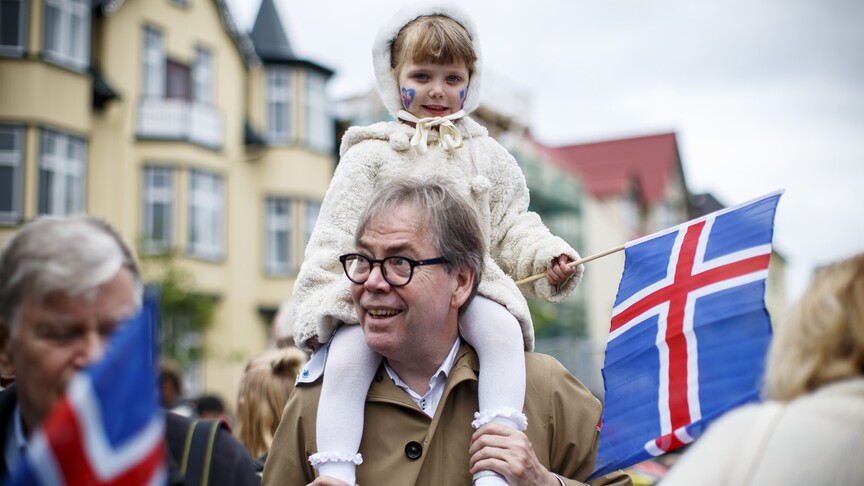
Icelanders rejected a proposal to reopen membership negotiations with the EU by 52.8% to 47.2%, according to final results released Sunday by public broadcaster RUV.
The last remaining ballots, from the Southwest Constituency, were announced at 10 am local time (1000GMT), confirming a narrow national majority against restarting the talks.
Results varied sharply by region. Both Reykjavik constituencies backed a Yes vote — 57.5% in Reykjavik North and 54.5% in Reykjavik South. Every other constituency voted No: 62.9% in the Northwest, 61.2% in the Northeast, 60% in the South and 53% in the Southwest.
Icelanders went to the polls Saturday in a closely contested referendum on whether to restart EU accession talks frozen for more than a decade. The vote was not on membership itself. A Yes result would have authorized the government to resume negotiations suspended more than 10 years ago; any eventual accession agreement would still have required a second referendum.
The European Movement, a leading platform that campaigned for a Yes vote in the referendum, said it was disappointed by the outcome. However, it noted that 47.2% of voters supported continuing EU accession negotiations and said it would continue working to strengthen ties between Iceland and the EU.
“Although Iceland will remain outside the EU, we are closely connected to Europe through the European Economic Area (EEA), Schengen, NATO and numerous other essential cooperation projects that Iceland cannot do without,” the group said in a statement.
“A new chapter begins. The European Movement will continue to work towards increased ties between Iceland and Europe, defend European cooperation and democratic values, and participate in a substantive debate about the future of Iceland and Europe.”
Iceland applied for EU membership in 2009 after its banking system collapsed during the global financial crisis. Accession negotiations began in 2010 but were suspended three years later when a eurosceptic government took office.
The talks have remained frozen since then, though Iceland never formally withdrew its application. The European Commission has repeatedly confirmed that the application remains legally valid.
Iceland’s government has described the question as one of such national importance that only a referendum can properly guide its course, and it has pledged to respect the outcome.