Şeyma Erkul Dayanç
07 May 2026•Update: 07 May 2026
Italy on Thursday launched the Rome Coalition on Fertilizer Access and Food Security together with Croatia and around 40 countries and international organizations, aiming to strengthen global food supply chains amid disruptions linked to instability around the Strait of Hormuz, according to the Italian Foreign Ministry on Thursday.
The initiative was announced following a ministerial meeting in Rome co-chaired by Italian Foreign Minister Antonio Tajani and Croatian Foreign Minister Gordan Grlic-Radman, holder of the rotating MED9 presidency.
The meeting included participation from the FAO and other international organizations.
In a joint statement, the co-chairs said there was “a shared understanding on the importance of advancing a Rome Coalition on Fertilizer Access and Food Security.”
They highlighted the need for coordinated international action to address supply chain vulnerabilities.
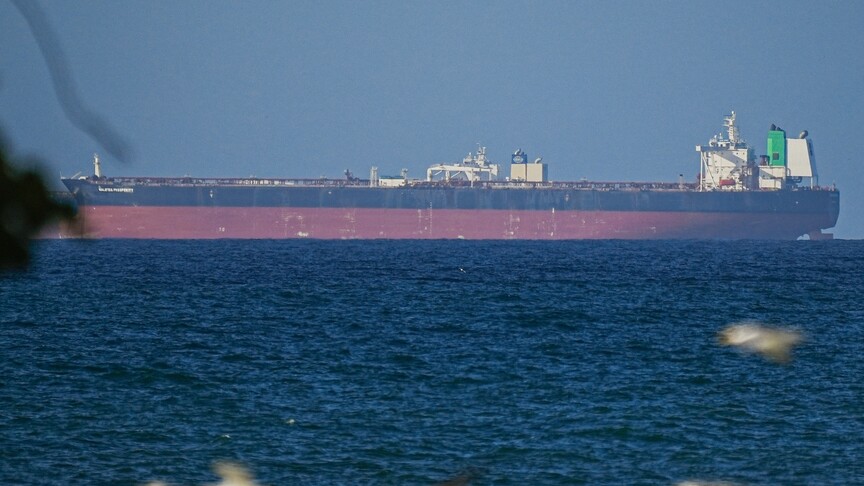
The statement said that “increasing instability in the Middle East and the wider Mediterranean, including disruptions to maritime security and strategic routes linked to the Strait of Hormuz,” is putting significant pressure on global food and fertilizer supply chains.
The statement added that these pressures are affecting global food and fertilizer supply chains and highlighted that the impact is particularly severe for vulnerable import-dependent countries in Africa and the Mediterranean.
Participants agreed on the need to strengthen coordination at the international level to reinforce “food security, economic resilience and regional stability.”
They also called for improved supply chain diversification, better logistics connectivity and increased investment in resilient agri-food systems.
The Italian Foreign Ministry said the initiative is designed as an inclusive platform for cooperation between producing, transit and importing countries, with the aim of ensuring continuity of supply flows and improving access to fertilizers.
Tajani said the coalition reflects growing concern over the impact of disruptions in strategic maritime routes.
“These trends further exacerbate food insecurity globally, particularly affecting the most vulnerable countries,” he said, adding that instability is also affecting prices and availability of agricultural inputs.
According to the ministry, discussions also included FAO analysis on the impact of Gulf region disruptions.
It added that there is a need for strengthened global coordination to address price volatility and food system resilience.
The ministry said the initiative aims to contribute to broader international and Mediterranean cooperation efforts on food security, resilience-building and stability in global supply chains.
Regional tensions have intensified since the US and Israel launched strikes on Iran on Feb. 28, prompting retaliatory attacks by Tehran and disruptions in the Strait of Hormuz.
A ceasefire took effect on April 8 through Pakistani mediation, but talks in Islamabad failed to secure a lasting agreement. The truce was later extended by US President Donald Trump without a specified deadline.
Since April 13, the US has enforced a naval blockade targeting Iranian maritime traffic in the strategic waterway.