Mariam Ashalem De Andres
15 August 2026•Update: 15 August 2026
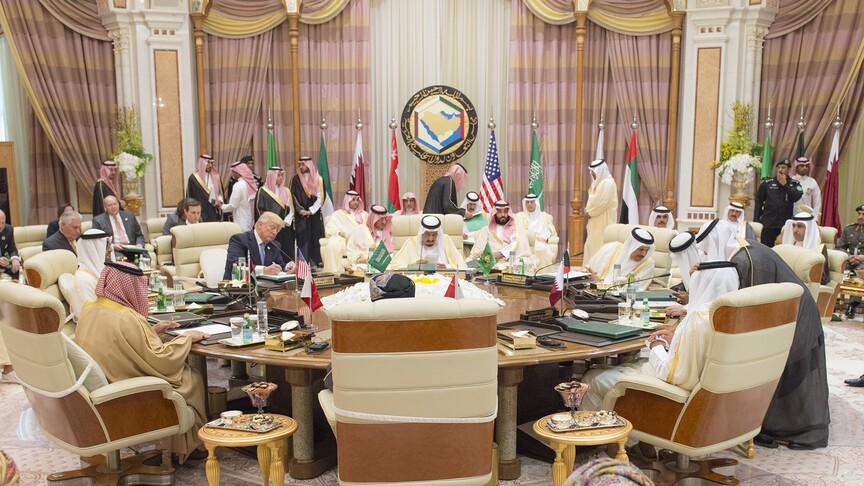
Discontent with the US is growing among its Gulf allies amid concerns that President Donald Trump has been unable to secure a diplomatic end to the prolonged war with Iran, according to US media.
"Trump started this war, and we are paying the price," a Gulf official told The Washington Post on condition of anonymity, saying anger toward the US was at its highest point since the US and Israel attacked Iran in February.
After months of conflict and continuing missile and drone strikes by Iran and its proxies, Saudi Arabia, the United Arab Emirates, Qatar, Kuwait and Bahrain have grown increasingly critical of the Trump administration, the newspaper reported, citing Arab and Western officials.
Some Gulf states have begun questioning the benefits of continuing to host large US military installations on their territory, according to the report.
A Western diplomat in the region cautioned, however, that the developments did not amount to a significant shift in sentiment toward the US, saying American forces were not "enthusiastically" welcomed even before the war with Iran.
"It was more something that was a necessary evil," the diplomat said. "Now, the necessity of it is being put in question."
The unease comes as Trump has repeatedly threatened further action against Iran before pulling back from those threats, citing progress in diplomatic talks, while Washington and Tehran have yet to reach a final agreement to end the conflict.
A White House official rejected the assessment, saying Trump "has extraordinary relationships with all of our Gulf partners" and that Washington has remained in regular contact with its regional allies since the conflict began.
The Gulf states have taken differing positions on the conflict, with some initially viewing the prospect of a quick US victory over Iran as potentially beneficial. Concerns grew, however, as the war continued without a clear resolution, according to the officials.
Despite growing strains, Gulf states remain dependent on Washington for security support, including military equipment, ammunition and intelligence.
Iran and Oman have also been negotiating safe shipping routes through the Strait of Hormuz for the past three months, with Tehran saying the full restoration of security and normal commercial shipping depends on an end to US military actions.