Rania Abushamala
09 April 2026•Update: 09 April 2026
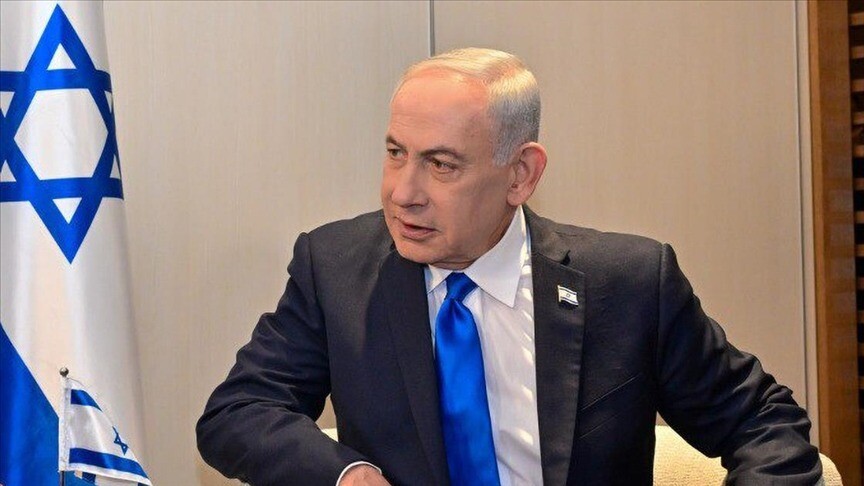
Israeli Prime Minister Benjamin Netanyahu said on Thursday that he instructed officials to begin direct negotiations with Lebanon “as soon as possible,” despite ongoing Israeli airstrikes across the country.
“In light of Lebanon's repeated requests to open direct negotiations with Israel, I instructed at the Government meeting yesterday to open direct negotiations with Lebanon as soon as possible,” Netanyahu’s office said in a statement posted on US social media company X.
The statement added that the negotiations will focus on disarming Hezbollah and establishing “peaceful relations” between Israel and Lebanon.
According to the US news portal Axios, a senior Israeli official said the talks are expected to begin next week.
The first meeting will reportedly take place at the State Department in Washington, with the US side led by Ambassador to Lebanon Michel Issa.
Israel is to be represented by its Ambassador to Washington, Yechiel Leiter, while Lebanon’s delegation will include Ambassador Nada Hamadeh-Moawad.
Israel’s Channel 14 reported that the negotiations “will be conducted under fire,” reflecting the ongoing military escalation in southern Lebanon.
Channel 13, citing an Israeli official, said that Tel Aviv may scale down its current offensive on Lebanon “following US pressure.”
The daily Israel Hayom, citing a local official, said Netanyahu’s directive to launch talks with Lebanon aims to ease mounting international pressure on Israel.
However, Hezbollah lawmaker Ali Fayyad renewed his rejection of any direct negotiations with Israel, calling on the Lebanese government to uphold a ceasefire as a precondition before taking any further steps.
“We call on the Lebanese government to adhere to the ceasefire as a precondition before moving to any subsequent step,” Fayyad said in a statement carried by the Lebanese state news agency NNA.
He also demanded the government press for Israeli withdrawal, cessation of hostilities, and the return of displaced residents to their towns and villages.
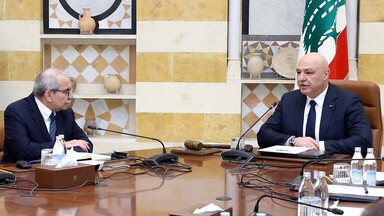
Earlier, Lebanese President Joseph Aoun said the idea of a ceasefire with Israel, followed by direct negotiations, is beginning to gain positive momentum at the international level.
The Israeli army escalated airstrikes across Lebanon since Wednesday, killing at least 303 people and injuring 1,150 others despite the announcement of a two-week ceasefire between the United States and Iran.
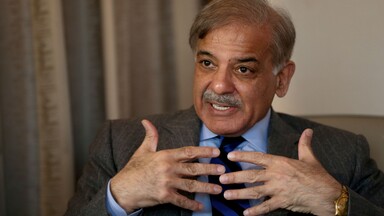
While Pakistani mediators and Tehran said the ceasefire includes Lebanon, Washington and Tel Aviv denied that.
The expanded Israeli offensive on Lebanon since March 2 has killed 1,888 people and wounded 6,092 others, according to the Lebanese Health Ministry.