Rasa Evrensel
08 June 2026•Update: 08 June 2026
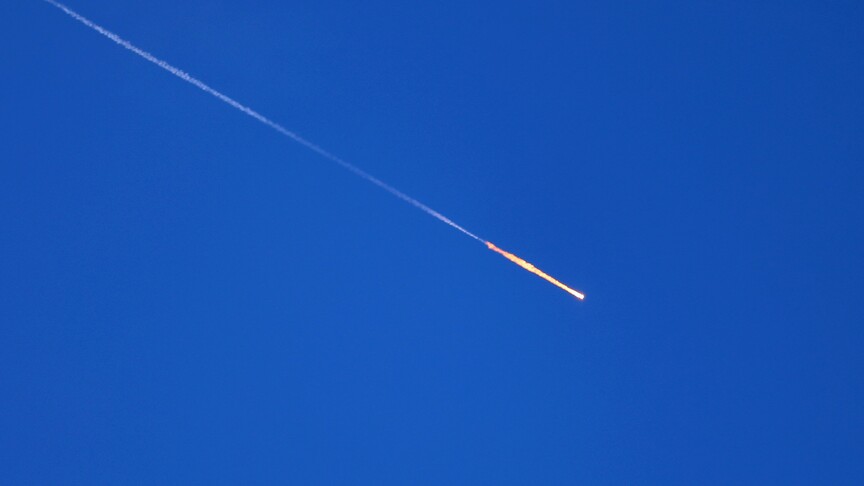
Saudi Arabia denied the attack on Prince Sultan Air Base, confirming that the sounding of sirens in Al-Kharj Governorate, southeast of the capital Riyadh, early Monday was a precautionary measure following the launch of a ballistic missile from Yemen that disappeared near the border.
In a statement, the Saudi Defense Ministry said that "reports circulating about an attack on Prince Sultan Air Base are untrue."
The sounding of sirens "was a precautionary measure following the launch of a ballistic missile from Yemen that disappeared near the border," it said, adding: "Investigations are ongoing to determine the details of this launch."
The statement comes hours after the kingdom's Civil Defense announced that it had activated an early warning system in Al-Kharj Governorate to alert the public to a potential threat before later announcing that the threat had passed.
Earlier on Monday, an Iranian military source denied reports that Tehran had attacked a base in Al-Kharj, while the Revolutionary Guard announced that it had targeted industrial facilities in Haifa, northern Israel, in retaliation for Israeli attacks on petrochemical facilities inside Iran.
On Monday morning, the Yemeni Houthi group announced that it had targeted "sensitive targets" in Israel with missiles and imposed a "ban" on Israeli navigation in the Red Sea.
Later, Iran’s military said it was halting attacks on Israel, warning of a “crushing” response if Israeli attacks against Lebanon continued.
Israeli media, citing unnamed officials, also said Israel agreed to halt airstrikes on Iran but will continue its offensive in southern Lebanon.
Tensions escalated on Sunday, when Israel bombed the Lebanese capital Beirut, despite an ongoing ceasefire, prompting Iran to launch missiles at northern Israel in retaliation, with Israel launching several waves of airstrikes against Iran.
The region has been on edge since the US and Israel launched airstrikes on Iran in late February, triggering Iranian retaliation on Israel and other regional countries hosting US assets.
A temporary ceasefire was reached on April 8, but negotiations later stalled amid disputes over its implementation and subsequent regional developments.