Merve Gül Aydoğan Ağlarcı
02 June 2026•Update: 02 June 2026
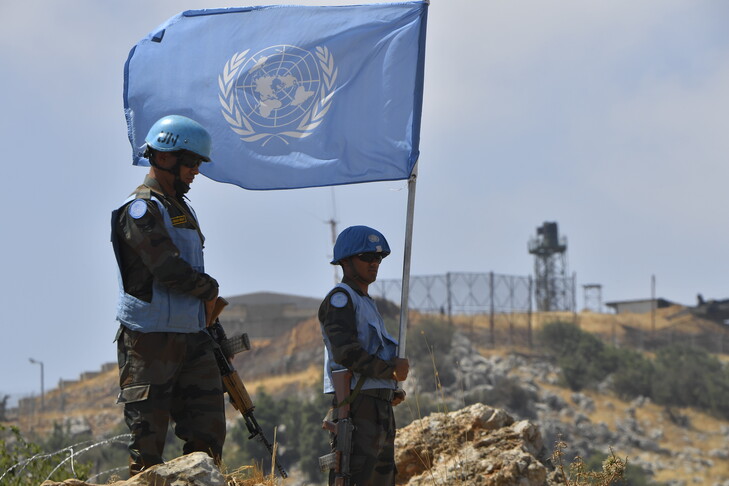
he UN welcomed signs Monday that intensive last-minute diplomacy may be pulling the Middle East region back from the brink, even as a senior official warned of rapidly deteriorating conditions on the ground as Israeli forces push deeper into Lebanese territory.
"We welcome reports from a short time ago today that intense diplomatic efforts may be yielding results and averting further escalation," Martha Ama Akyaa Pobee, assistant secretary-general for Africa in the Departments of Political and Peacebuilding Affairs and Peace Operations, said during an emergency session of the UN Security Council on Lebanon.
She warned, however, that developments on the ground "mark a dangerous and alarming escalation, directly undermining the cessation of hostilities understanding announced by the United States on 16 April and eroding fragile diplomatic efforts to de-escalate the situation."
Pointing to alarming regional spillover, Pobee noted reported statements from Tehran that "in response to the situation in Lebanon, Iran will suspend dialogue with the United States, block the Strait of Hormuz and activate other fronts."
"We must urgently redouble efforts to avert any further escalation," she said.
"We call on Israel to withdraw its forces from Lebanese territory in full respect of Lebanon's sovereignty and territorial integrity," she added.
She welcomed a meeting between Lebanese and Israeli military representatives hosted by the US in Washington on May 29, with further political-level talks anticipated on June 2 and 3, saying the UN "stands ready to support these diplomatic efforts to secure a sustained cessation of hostilities that is fully respected by all actors on the ground."
The emergency meeting was requested by France and received support by Russia, China, Denmark, Greece, Latvia, the UK and Colombia.