Mücahithan Avcıoğlu
29 June 2026•Update: 29 June 2026
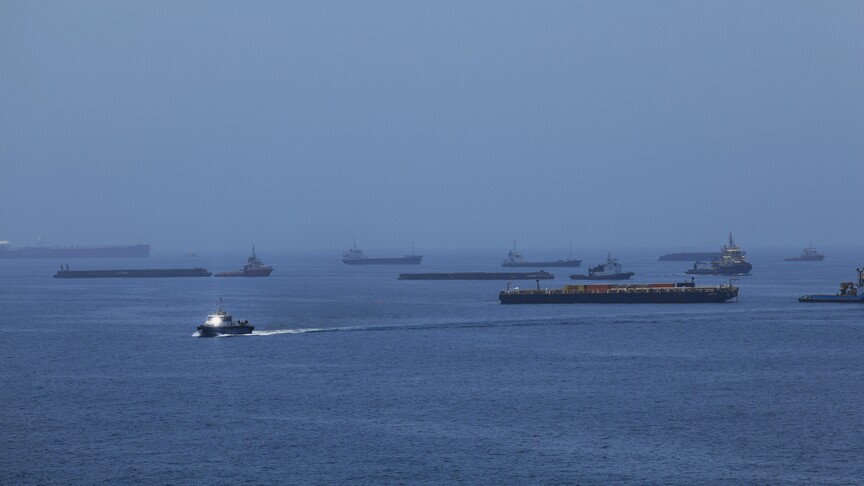
Vessel traffic through the Strait of Hormuz continued over the weekend despite renewed security concerns following strikes between Iran and the US, ship-tracking platform MarineTraffic said Monday.
The maritime analytics platform said on US social media company X that 108 verified crossings were recorded between June 26 and 28, including container ships, tankers, LNG-linked vessels, bulk carriers and service vessels.
Traffic was strongest on June 26 before easing over the following two days, suggesting that shipping activity has continued but has not fully normalized given the security risks.
The latest movements came after attacks on commercial vessels around the strategic waterway triggered fresh US-Iran escalation over the weekend. The incidents renewed concerns among shipowners, insurers and energy markets over the safety of passage through one of the world's most important maritime chokepoints.
Routing through the strait remained divided. MarineTraffic data showed that 39 crossings used the Omani Route, while 37 followed the Iranian Route. Another 23 crossings were classified as dark or unknown, and 9 used the IMO Route.
The distribution indicates that ship operators are still assessing risks carefully rather than returning to pre-crisis traffic patterns.
The Strait of Hormuz, located between Iran and Oman, connects the Gulf with the Gulf of Oman and the Arabian Sea. It is a key route for global oil, liquefied natural gas and container trade. Any disruption in the waterway is closely watched by energy markets, insurers and shipping companies because of its role in Gulf exports.