SÃO PAULO
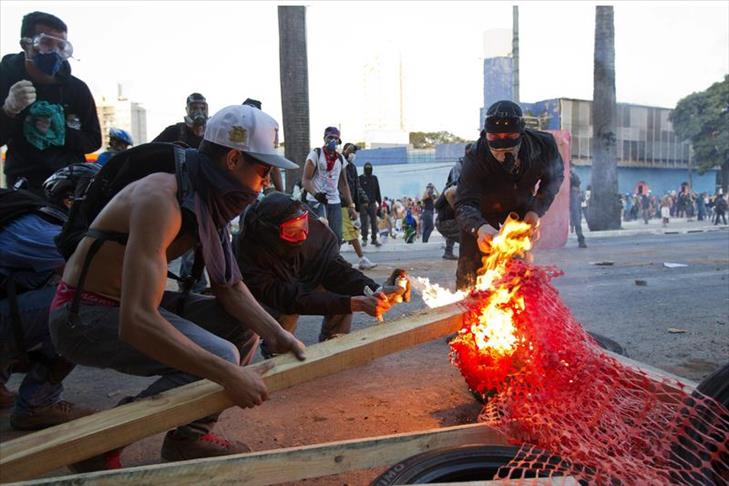
As protesters continue to take to the streets across Brazil, voicing an array of grievances, from corruption and the cost of the country’s hosting of the World Cup to the quality of public services, particularly transport, health and education, Brazilian President Dilma Rousseff and other political leaders in the country have sought to placate protesters with concrete political gestures and further promises of major political reform.
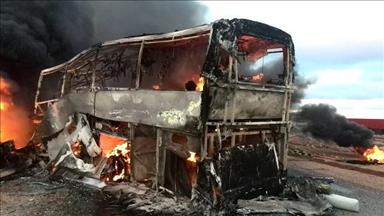
But many protesters have been galvanised by the concessions already made in their favour to date and therefore Brazil’s biggest wave of protests in twenty years sparked by a twenty-centavo hike in bus fares at the beginning of June, show no sign of coming to an end soon.
Many cities have already backtracked on increases imposed to public transport fares under pressure from continuing mass protests, some of which have seen over a million people at protests in hundreds of cities throughout Brazil.
But the bus fare U-turn did not quell the protests, and President Rousseff was forced to make the most important national address of her presidency, reassuring the country she was on their side, listening keenly to their demands, and that she supported the right to peaceful protest, labelling the protests proof of the strength of Brazil’s democracy.
Nearly a week has passed since that address, and in that time the president has come forward with a “five-pact solution” to the crisis and her government has made a number of significant further pledges to improve both the political status quo in the country, and increase sorely-needed funding for public service, including by diverting oil royalties to public education and health.
Crucially, the Brazilian populace would have its say on a number of issues and the president called meetings with a number of representatives of the various protest factions. A referendum would be held on reforming the country’s “outdated” political system, which the president said needed a fresh approach.
São Paulo residents were also promised they would be consulted on which companies would run the buses in the city, the country’s largest, as the local government scrapped the current bidding process for a new, billion-dollar, 15-year tender.
Protesters victorious over Senate votes...
The Senate’s death-blow vote to proposed constitutional amendment, PEC 37, which would have removed powers of criminal investigation from a number of organs, most notably the country’s Public Prosecutor, leaving them solely in the hands of the civil and federal police forces, was seen as a major victory for protesters, which had argued that such a move would make already-rife political corruption even worse.
Another triumph for protesters came in the form of the Senate’s approval of a bill making corruption a “heinous” crime, meaning those convicted would be required to serve jail time, with a new minimum of four years’ imprisonment, and the maximum of twelve.
Crucially, those convicted would have no eligibility for parole or amnesty, which appears to be a major win for the protesters, not least because many have pointed out that, to date, not one of the politicians who were given prison sentences in the “mensalão” cash-for-votes trial last year, has gone to jail.
For this reason, many will remain unconvinced until they see convicted politicians physically sent to prison.
This perception of political figures abuse their position with impunity has made angry protesters all the more determined to stay the course out on the streets.
Still staying on the street...
On the face of it, President Rousseff and her political allies have been attempting to deal systemically with protesters’ long list of complaints, and with unusual urgency, despite the inevitable backlashes from government opposition figures.
Those taking part in the rallies have seen their tactics bear fruit, and are ready to push harder to squeeze even more out of the government, continuing their daily rallies with a momentum that has surprised many and that few believe is petering out.
Although the protests have drawn smaller crowds, they have been consistent and spread far across the country, with cameras trained on Confederations Cup matches drawing bigger crowds.
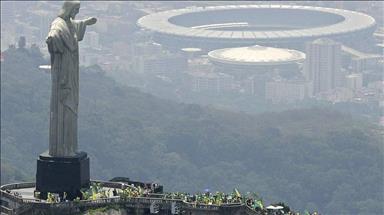
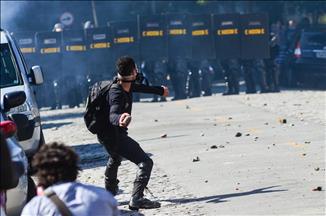
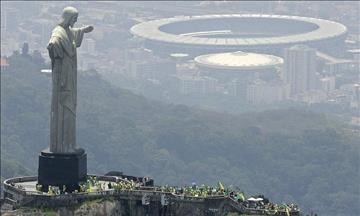
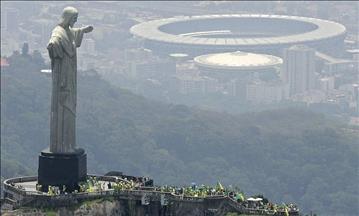
Indeed it is widely expected that protesters will gather in big numbers this Sunday, 30 June, when Brazil takes to the pitch in the final of the FIFA Confederations Cup, seen as a test run for next year’s World Cup. The tournament finale is being hosted at the controversial new $500-million Maracanã Stadium in Rio de Janeiro. The city has seen some of the ugliest clashes between protesters and police in recent weeks.
How long can the protests go on?
Protesters in Rio told Anadolu Agency of their intention to protest during the upcoming visit to Rio by the head of the Roman Catholic Church, Pope Francis – his first major overseas visit – for World Youth Day 2013.
Protests, including one by members of the global Slutwalk movement on 27 July, are expected to express opposition at the Pope’s stance on a number of issues, but also capitalise on the global attention his presence will attract to ensure their voices are heard on a range of other issues.
Officials in Brazil have begun reacting to protesters’ demands, which have diversified dramatically from initial calls of free public transport, but now those protesting have seen that change is possible and that they can apparently make a difference to their country, many believe it is now unlikely protesters will back down until they achieve far more than just their initial demands of improvements to public services and cleaner politics.
The government has been quick to give a number of concessions to the protesters in a bid to alleviate pressure caused by massive disruption to the country and damage to property. What has yet to be seen is where the government will draw the line on these compromises and how long it will tolerate the protests in the unending glare of the world’s media.