19 December 2015•Update: 19 December 2015
By Halima Athumani
KAMPALA, Uganda
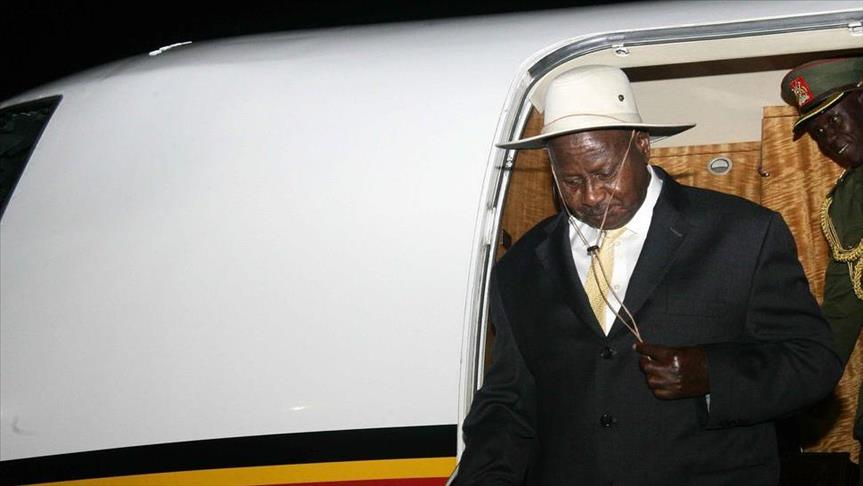
The dialogue over the Burundi crisis will resume under the mediation of Ugandan President Yoweri Museveni on Dec. 28.
The Ugandan defense minister made the announcement after the worst spate of violence in Burundi erupted on Dec. 11 as 87 people were killed in clashes in the capital Bujumbura.
“It is now considered appropriate and critical that the dialogue resume considering that the security situation in Burundi has deteriorated,” said Chrispus Kiyonga, Uganda’s Defense Minister, as he addressed journalists in the Ugandan capital Kampala Saturday.
Unrest in Burundi began in April when President Pierre Nkurunziza announced he would seek a third term in office. He survived a coup attempt in May, and secured a third term in a disputed election in July.
Kiyonga told Anadolu Agency that the ethnic Barundi leaders had outlined 10 points that they wanted to see discussed during the dialogue, including the question of the president's third term, the electoral calendar, the security situation and a government of national unity.
“So when the dialogue starts, this is the starting point then the parties will amend as necessary.”
He also dismissed reports that the African Standby Force the African Union was planning on deploying in Burundi was a combat mission.
“I suspect that the African Union wants to deploy part of the East African Standby Force, and they are not going to fight, they are just going to help the Burundi army and police to stabilize the country," he said.
The East African Community Summit on July 6 saw the appointment of Ugandan President Museveni to mediate in the crisis in Burundi. Museveni proceeded to chair talks among 14 Barundi leaders and other national stakeholders until July 19.
“Since that time, wide-ranging consultations have been carried out involving the government of Burundi, the political opposition forces in Burundi, other stakeholders and partners from the international community,” said the Ugandan defense minister.
He also revealed that the reason the dialogue had been delayed.
"Consensus had not been found because some people thought that the dialogue was not necessary, because elections had taken place while others said they were locked out of the dialogue,” he said.
He also added that after the launch on Dec. 28 in Kampala, the talks should move to Arusha, Tanzania "because it’s an East African dialogue mediation”.