19 July 2016•Update: 20 July 2016
ANKARA
The reintroduction of the death penalty is not “currently” being
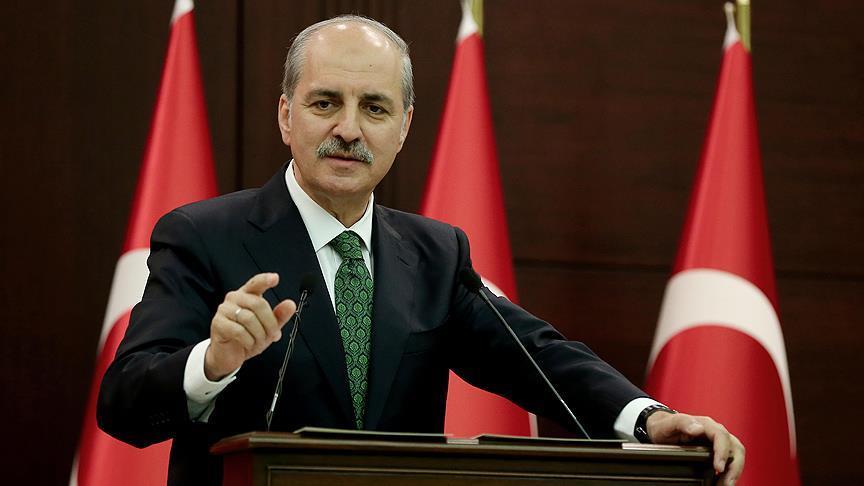
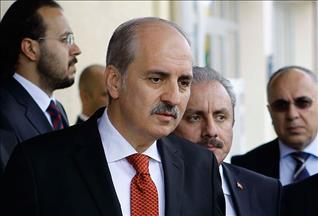
considered by the Turkish government, Deputy Prime Minister Numan Kurtulmus
said Tuesday.
However, he left the door open for the sentence to be reintroduced
through parliamentary consensus.
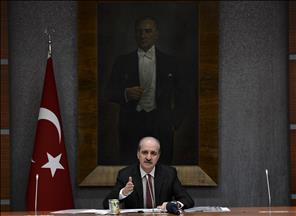
Speaking to reporters at Cankaya Palace in the capital Ankara, he
said those convicted of involvement in Friday’s failed military coup would face
the most severe punishment under the current legal system.
Turkey outlawed the death penalty in 2004 but there have been
growing calls for its return following the coup attempt, which saw more than
240 people lose their lives.
“Democracies cannot disregard the demands of the public,”
Kurtulmus said. “Currently, capital punishment is not on the agenda of our
government. However, if the public demands and the negotiations with other
parties in parliament really require something like this, it belongs among the
next steps.”
The government has said the attempted coup was organized by the
followers of U.S.-based Fetullah Gulen, who is accused of a long-running
campaign to overthrow the state.
U.S. extraditing Pennsylvania-based preacher, Fetullah Gulen, to
Turkey over his alleged involvement in Friday’s deadly coup attempt would be
the "greatest sign of solidarity", Kurtulmus said.
Kurtulmus responded that "sending Fetullah Gulen to Turkey
would be the number one solidarity display".
There are currently 9,322 suspects linked to the failed coup
attempt on late Friday and all of them are going through legal procedures,
Kurtulmus said.
Kurtulmus said there is "no proof" that any country,
including the U.S., was involved in Friday’s failed coup attempt, which occurred
late on July 15 when rogue elements of the Turkish military tried to overthrow
the country's democratically elected government.
At least 208 people, including members of the security forces and
civilians, were martyred in Istanbul and Ankara and nearly 1,500 others wounded
as they protested against the coup.
The government has said the attempted coup was organized by
followers of U.S.-based preacher Fetullah Gulen, who is accused of a
long-running campaign to overthrow the state through supporters within Turkish
institutions, particularly the military, police and judiciary, forming the
so-called parallel state.