Esra Kaymak
07 April 2016•Update: 19 April 2016
WASHINGTON
Experts have criticized the Obama administration for not following a decisive strategy in Syria since the Arab Spring.
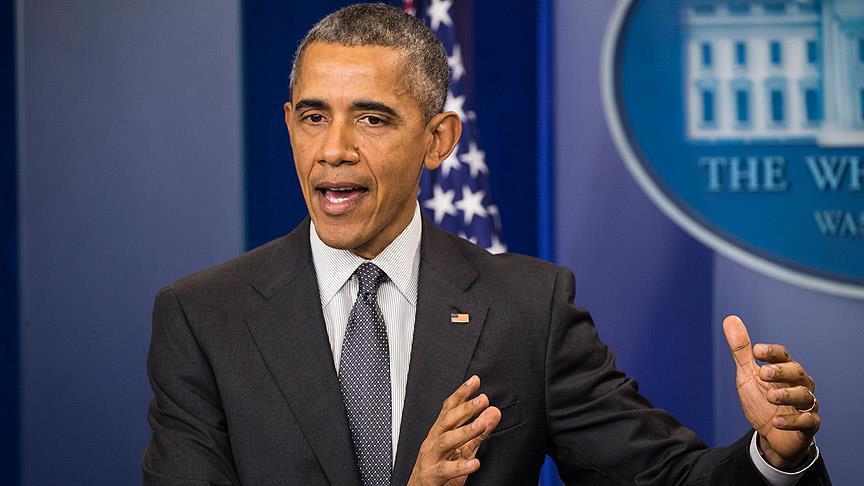
Addressing a panel organized by the Turkish Heritage Organization in Washington D.C. Wednesday, senior vice president of Foreign and Defense Policy Studies at the American Enterprise Institute, Daniella Pletka, said the biggest problem with U.S. President Barack Obama's policy in Syria was that he did not follow a particular strategy.
According to Pletka, Obama could have prevented the deaths of thousands of Syrians if he himself would have known exactly what he wanted in Syria.
Saying that the "president doesn't think there is anything wrong with his policy," Pletka said she was pessimistic that the U.S. approach to Syria would change until Obama left office next year.
"We are in a new era and Middle East is no longer important for us," she said, adding Obama's approach, especially in places like Syria was to "let them fight each other."
She also said that an ideal situation for the next president would be to recognize that the U.S. faces a "genuine challenge" that needs to be addressed and that a strategy -- focusing on defeating Daesh and Al Qaeda in the region -- was needed.
Opposing Obama's policy to not intervene in Syria, Shadi Hamid, Brookings Institute’s senior fellow, said that "non-intervention could also be problematic."
Hamid added that the Democratic presidential frontrunner Hillary Clinton would follow a better strategy in Syria than Obama did, for example, by establishing a no-fly zone in northern Syria.
Matthew Kroenig from Georgetown University's Government Department said Obama did not make any pragmatic decisions over the Iran nuclear deal and criticized his Syria and Iraq policies.
"If you take a step back and look at the result, we really see this collapse of the Middle East security order," Kroenig said.
"We have a terrorist state in the Middle East, we have Iran with a dangerous nuclear program that's legitimated under international law and so, the challenge for the next president is quite severe."
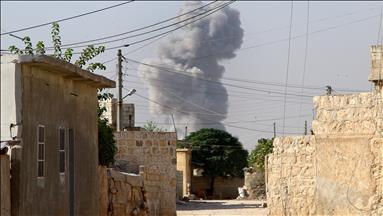
Syria has remained locked in a vicious civil war since early 2011, when the regime of Bashar al-Assad cracked down on pro-democracy protests with unexpected ferocity.
Since then, more than 250,000 people have been killed and more than 10 million displaced, according to UN figures.
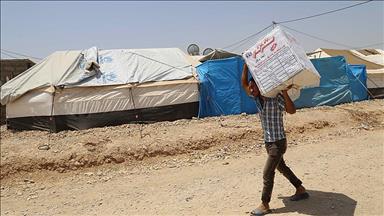
The conflict in Syria has now driven more than four million people – a sixth of the country’s population – to seek sanctuary in neighboring countries, making it the largest refugee crisis for a quarter of a century, according to the UN.