ADDIS ABABA, Ethiopia/WASHINGTON
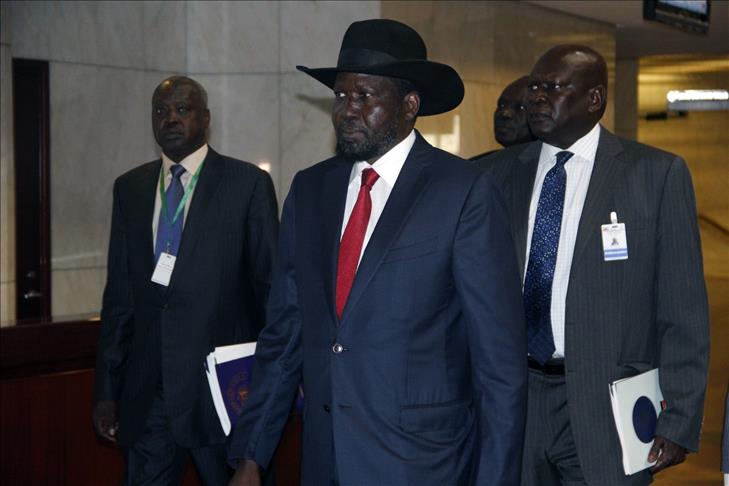
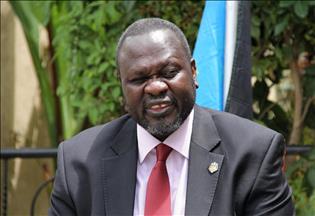
Following days of mounting international pressure, South Sudanese President Salva Kiir on Wednesday signed a peace deal already signed by his sacked vice-president, rebel leader Riek Machar.
The deal had also already been signed Aug. 17 in Addis Ababa by Gen. Pagan Amum, the newly reinstated director of the Sudan’s People Liberation Movement, along with other South Sudanese stakeholders.
At a ceremony held in Juba, the signing was witnessed by Ethiopian Prime Minister Hailemariam Desalegn, who is also chairman of the Intergovernmental Authority on Development (IGAD) regional bloc; Kenyan President Uhuru Kenyatta; Ugandan President Yoweri Museveni; and Sudanese First Vice-President Bakri Hassan Saleh.
President Kiir signed the agreement well before the expiry of an additional two-week period he had requested in which to consult with military officials.
Recent days had seen mounting international pressure on Kiir to sign the deal, which, it is hoped, will end 20 months of war in South Sudan.
Kiir had initially refrained from signing the agreement citing “reservations” about certain aspects of the deal.
Proposed by IGAD and its international partners, the deal covers several contentious issues, including power and wealth sharing and security arrangements.
It also calls for a “Transitional Government of National Unity”, in which Machar will serve as first vice-president and wield executive powers.
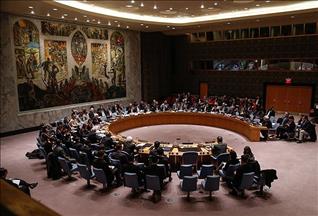
Following a Tuesday meeting in New York, the UN threatened to impose sanctions on Kiir unless he signed onto the agreement.
In Washington, White House National Security Council spokeswoman Susan Rice welcomed Kiir’s decision to accept the terms of the deal.
"However, we do not recognize any reservations or addendums to that agreement," she added in a statement.
Describing it as "the necessary first step toward ending the conflict", Rice said the agreement would require commitment from all parties to the hostilities.