23 February 2016•Update: 25 February 2016
By Alex Jensen
SEOUL
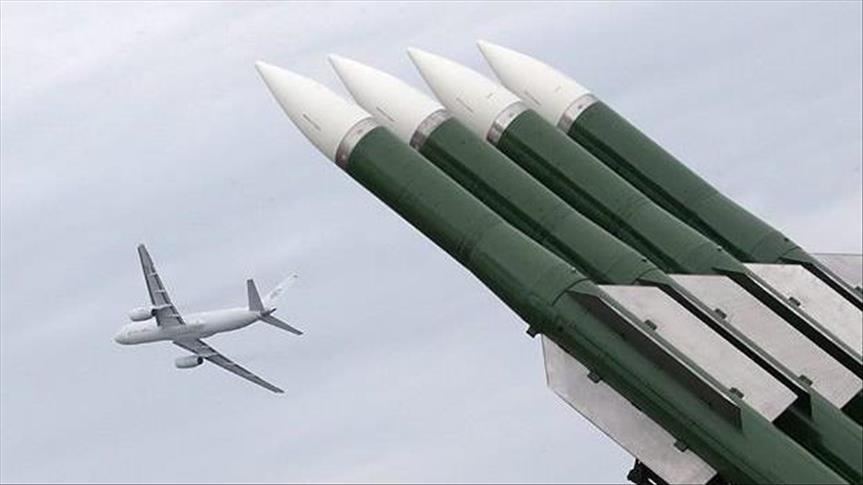
South Korea revealed Tuesday a delay in the start of talks with the United States on the local installation of a controversial missile defense system – but a Seoul spokesperson denied that the postponement is aimed at gaining Chinese support for tougher sanctions against North Korea.
Beijing has been one of the most influential critics of a potential THAAD (Terminal High Altitude Area Defense) deployment on the Korean Peninsula, as experts have pointed out that the system's powerful radar could be used as a regional spying tool.
Left-leaning media outlets within the South have also argued that THAAD would not be effective in defending against North Korean missiles fired from across the border.
While Seoul and Washington have reportedly been weighing up enhancing missile defense in South Korea for some time, they began preparations for official negotiations in response to North Korea's long-range rocket launch earlier this month.
The U.S. already has nearly 30,000 military personnel based in the South along with Patriot missile batteries and other capabilities to deter the North from resuming the hostilities of the 1950-53 Korean War.
Seoul defense ministry spokesperson Moon Sang-gyun suggested at a briefing that the possibility of THAAD talks was still very much alive, with preparations "in the final stages".
Initial negotiation terms had been set to be signed Tuesday, and local news agency Yonhap cited sources who claimed that the U.S. had asked for the delay.
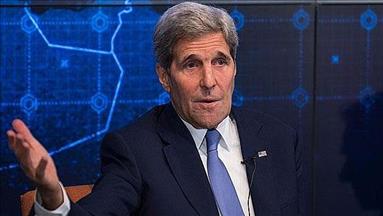
U.S. Secretary of State John Kerry is in line to host Chinese Foreign Minister Wang Yi this week to discuss a new United Nations resolution against North Korea.
Beijing has so far been reluctant to commit to tougher sanctions following the North's rocket launch and fourth ever nuclear test a month earlier – both of which defied existing UN resolutions.
But given obvious speculation that THAAD talks may have been postponed so as to not upset China before Kerry's meeting with Wang, Moon insisted that "the UN's sanctions on North Korea and the THAAD deployment are separate issues."