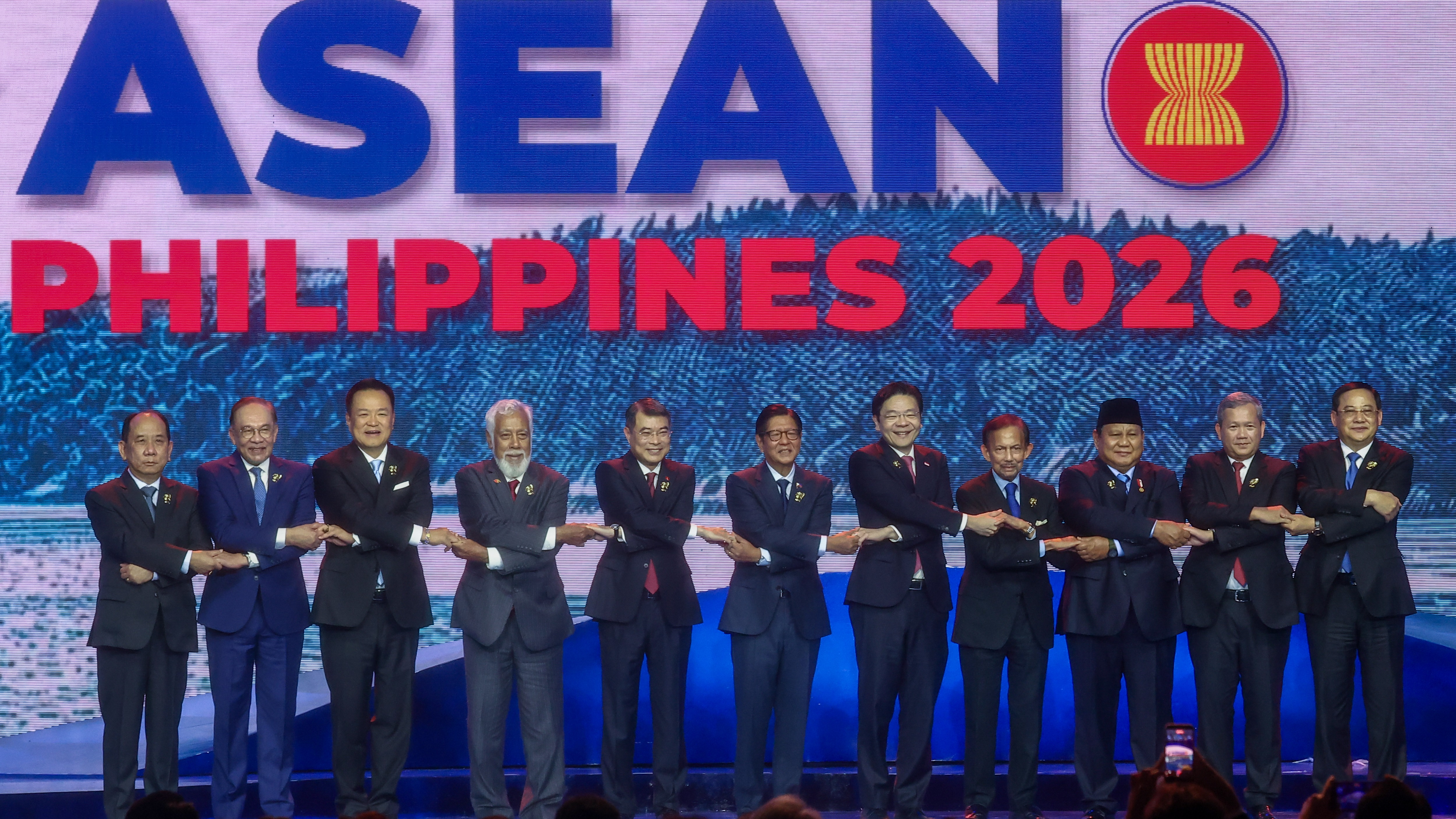
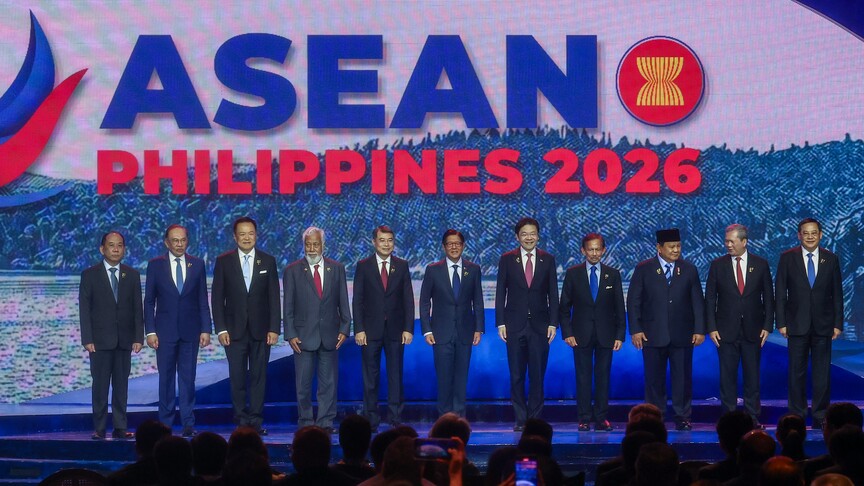
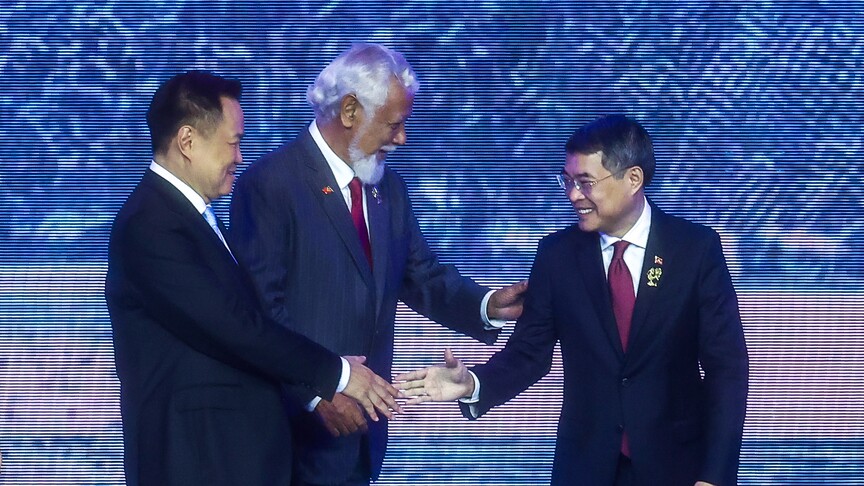
Leaders of Southeast Asian nations gathered in the Philippines on Friday to discuss challenges arising from the US-Israel war with Iran, as the host nation renewed calls for an end to hostilities in the Middle East and the safe, unimpeded passage of vessels through the Strait of Hormuz.
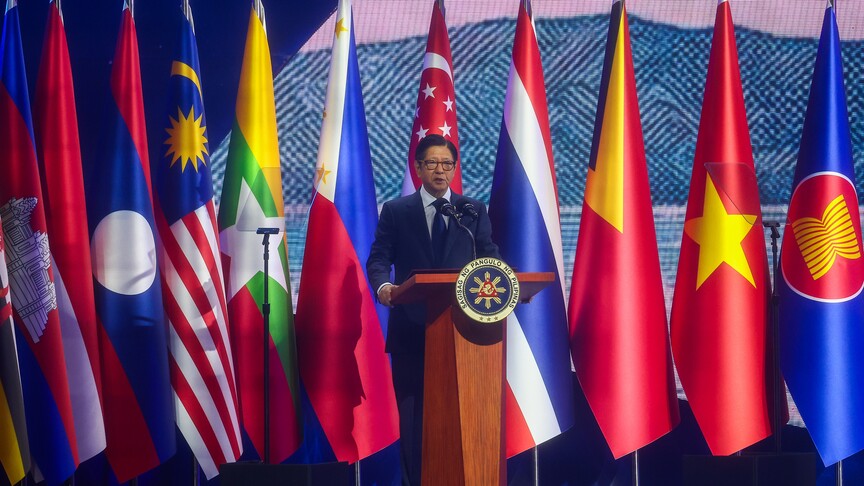
“We stand together today to demonstrate ASEAN's capacity to respond with unity, with wisdom, with resolve, at a time when our region is once again faced with profound uncertainty,” Philippine President Ferdinand R. Marcos Jr. told leaders from the region, calling for “unity” and “resolve” to meet the challenges posed to the region.
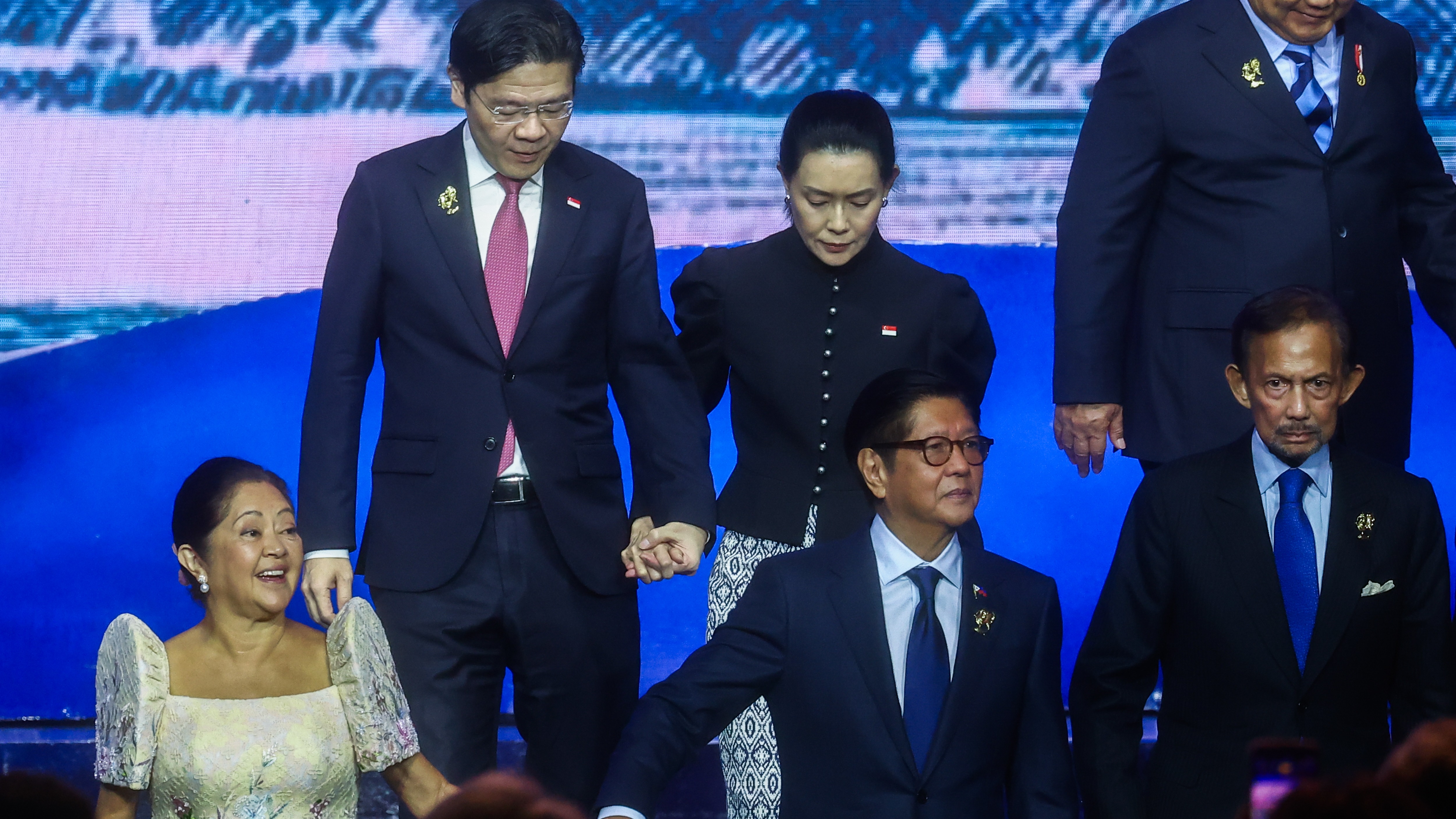
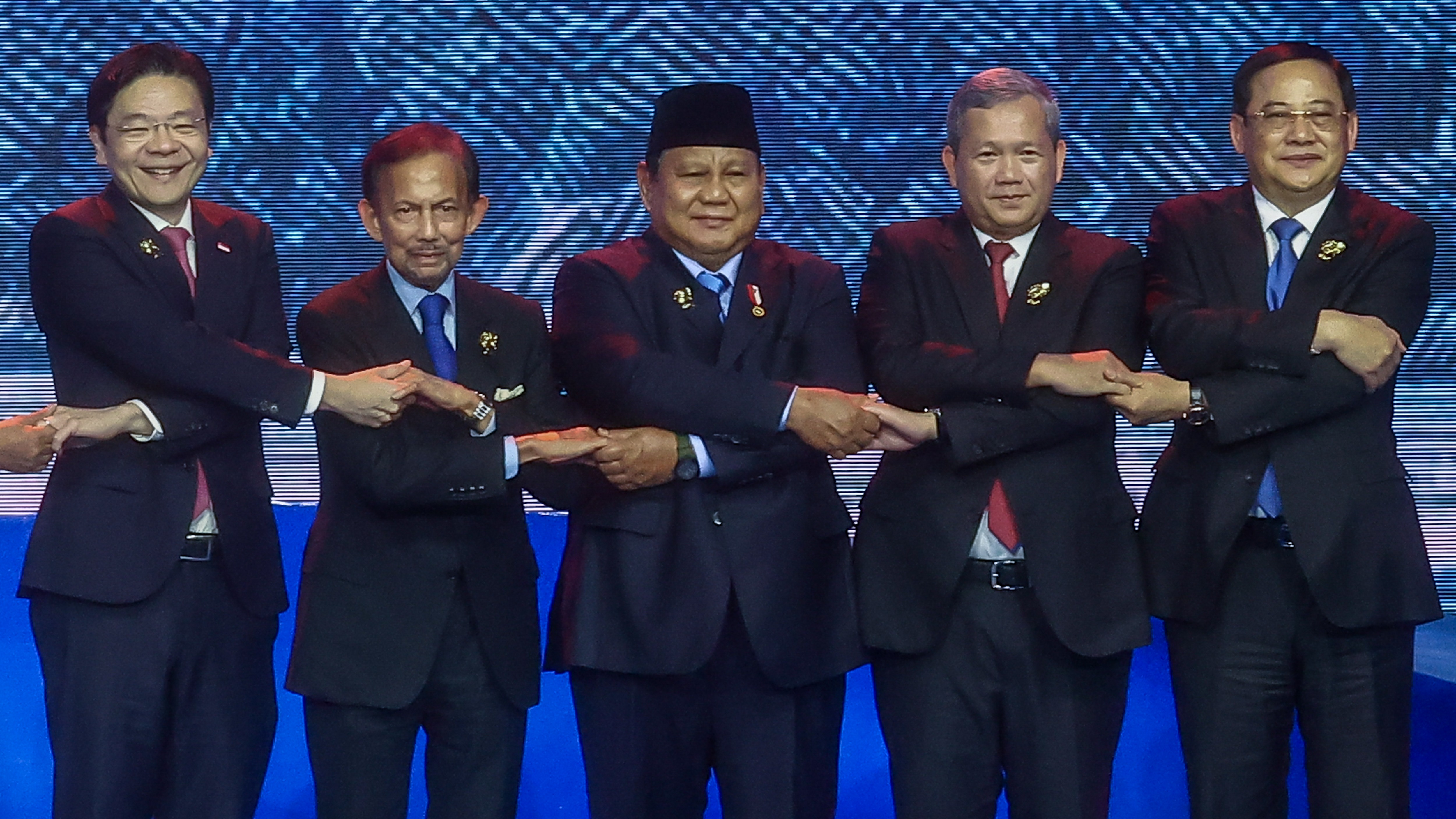
This comes during the 48th summit of leaders of the Association of Southeast Asian Nations (ASEAN) hosted by the Philippines in Cebu.
“For we meet at a time of considerable challenge. Across our region and beyond, nations continue to navigate an increasingly complex global environment,” the Philippine president said.
“The increasingly volatile situation in the Middle East has impacted our region, challenging us to remain agile in the face of uncertainties which threaten lifestyles, livelihoods, and lives,” said Marcos, who was the first chief executive globally to impose economic emergency in the Philippines to meet challenges posed by the war.
Over the past months, he said, “each of our countries has had to make adjustments to modify our approaches.”
“So, we come together now to study those adjustments, to find the best approaches, to face the future, together,” he added.
Marcos stressed that the work of ASEAN “must continue, not despite the challenges, but because the times demand our answers to those challenges for our peoples, for our countries, for ASEAN.”
“If there is one lesson ASEAN has learned over the decades, it is that difficult times do not divide us,” he said, emphasizing that this summit provides ASEAN "with a valuable opportunity to advance regional cooperation, economic resilience, and sustainability.”
Addressing the plenary session, Marcos said the global geopolitical landscape remains fraught with uncertainty and escalating tensions, particularly due to the worsening situation in the Middle East.
He said ASEAN has expressed "serious concern" over the escalation of conflict due to the preemptive attacks initiated by Israel and the US against Iran on Feb. 28, and the subsequent retaliatory attacks by Iran against several countries in the region.
"These developments have disrupted maritime and air transport routes, heightened risks to merchant and non-combatant vessels and aircraft, and affected the flow of energy and essential goods," he said.
“Against this backdrop, we come together guided by ASEAN’s longstanding commitment to peace, and the collective positions expressed by each ASEAN Member State,” he said, calling for “immediate cessation of hostilities, peaceful settlement of disputes, protection of civilians and civilian infrastructure as well as restoration of safe, unimpeded, and continuous transit passage in the Strait of Hormuz.”
“For ASEAN, these challenges are deeply felt by our people – through higher living costs, supply disruptions, threatened livelihoods, economic strain, [and] growing vulnerability, both in our homelands and amongst our nationals in the Middle East,” said Marcos.
Regional tensions intensified after the US and Israel launched strikes on Iran on Feb. 28, prompting retaliatory attacks by Tehran and disruptions in the Strait of Hormuz.
Before the war erupted, around 80% of the crude oil that passed through the Strait of Hormuz was destined for Asian markets, with China, India and Japan being the main importers, according to the International Energy Agency.