Satuk Buğra Kutlugün
10 December 2015•Update: 11 December 2015
YANGON, Myanmar
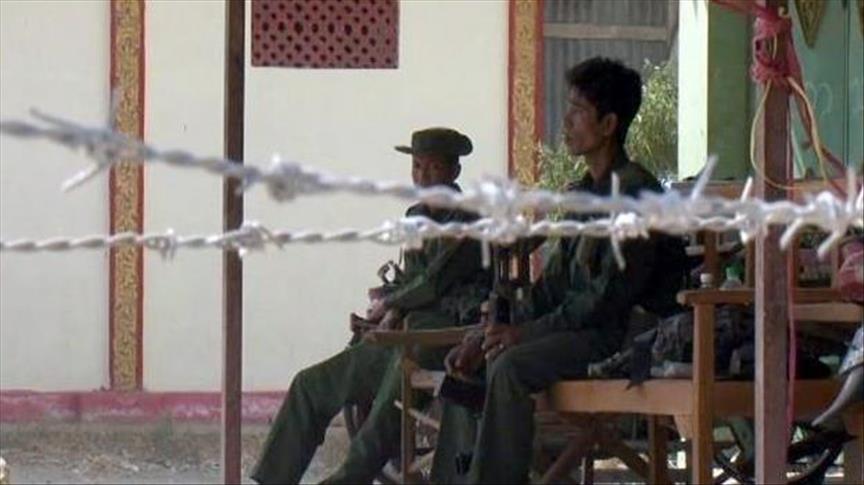
Myanmar’s parliament has approved a nationwide ceasefire agreement with eight armed ethnic groups that has been criticized for excluding those engaged in ongoing conflicts, local media reported Thursday.
The Myanmar Times quoted Union Minister Aung Min as saying that the deal, which passed unanimously, was a work in progress but still a positive beginning before the newly elected government takes office in 2016.
“[The] NCA might not be a perfect agreement because we have to do it in the timeframe we have received,” Aung Min, who also serves as deputy chair of the government’s Union Peace-making Work Committee, said Tuesday. “So I’d like to say to all of you to understand its imperfections and accept them [and] that it is made by our goodwill.”
He expressed hope that the dialogue process would continue until non-signatory groups – the number of which he said had increased since the government began the peace process -- also joined.
“I want to say that we [have opened] the way for other groups to make peace,” he added.
Under the deal, which the government signed with the eight groups on Oct. 15, a joint committee -- consisting of representatives from the government, political parties and ethnic groups – have until Dec. 14 to approve a draft framework for political dialogue, set to start in mid-January.
The accord was an attempt to bring an end to conflict with over a dozen ethnic groups who have been fighting for greater autonomy from central authorities for decades.
It has been criticized as a face-saving measure to cover what amounts to outgoing President Thein Sein’s failure to secure a deal, only including eight of the groups invited to sign.
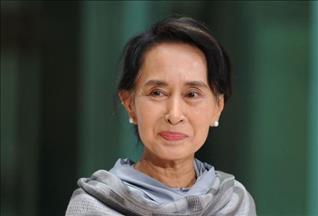
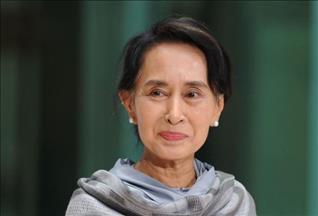
Sein -- a reformist former general installed by the junta in 2011 – had repeatedly promised a nationwide agreement before the general election last month, which the opposition led by Nobel Peace laureate Aung San Suu Kyi won by a landslide.
The National League for Democracy has said the peace process will be one of its top priorities after it forms a government.
According to estimates, the groups that signed the deal in October represent 16,000 fighters, while there are 48,000 under the command of groups that refused to sign.