30 September 2015•Update: 01 October 2015
ANKARA
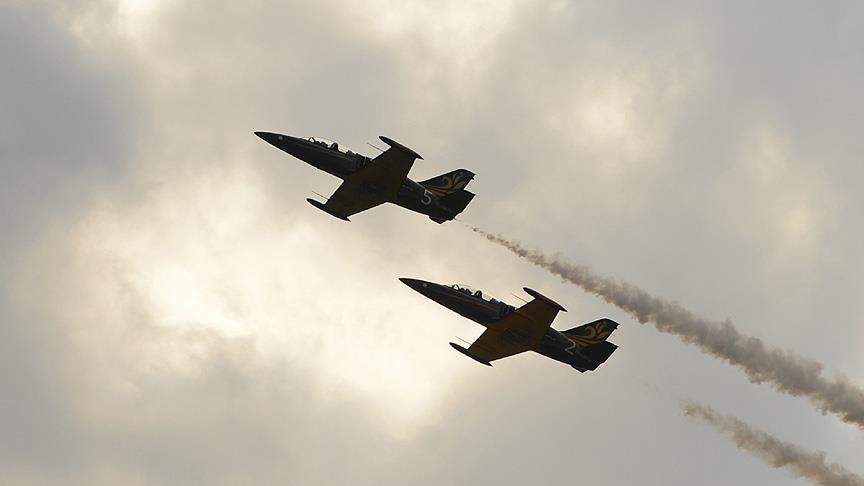
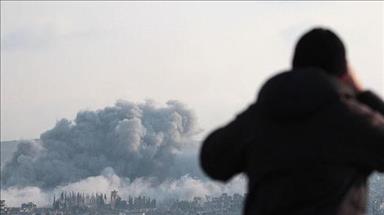
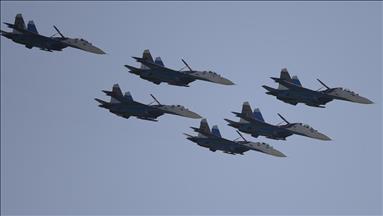
Russian warplanes on Wednesday struck targets inside Syria for the first time, according to statements by a Russian Foreign Ministry spokesman.
Igor Konashenkov confirmed that Russian warplanes had struck positions in Syria associated with the Daesh militant group.
The strikes were carried out, he said, on the direct orders of Russian President Vladimir Putin, and targeted Daesh munitions depots, vehicles and communications centers.
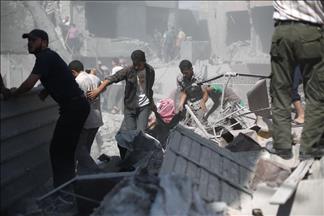
Local activists in the Hama and Homs provinces told Anadolu Agency that airstrikes by Russian warplanes had caused considerably more damage than those carried out by Syrian aircraft.
In Washington, State Department spokesman John Kirby confirmed that a Russian official in Baghdad informed U.S. embassy personnel "that Russian military aircraft would begin flying anti-ISIL missions today over Syria".
The Russian official "further requested that U.S. aircraft avoid Syrian airspace during these missions," Kirby added, but said the U.S.-led anti-Daesh coalition would continue to conduct aerial operations against the militants in Iraq and Syria.
A defense department official who spoke on condition that her name not be made public said that it is unlikely that Wednesday's strike was part of an anti-Daesh campaign – without elaborating.
"While we would welcome a constructive role by Russia in this effort, today's demarche hardly seems indicative of that sort or role and will in no way alter our operations," the official said. "It also only underscores the need to begin having meaningful deconfliction discussions very soon."
‘De-conflicting’ is diplomatic jargon for lessening the likelihood that military operations in the same theater cause accidental confrontations.
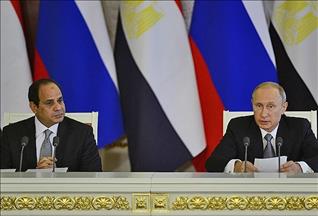
Putin and U.S. President Barack Obama met Monday on the sidelines of the UN General Assembly meetings to discuss, in part, Russia's military buildup in Syria and plans to combat Daesh.
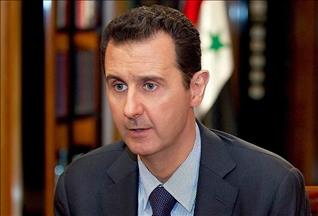
White House spokesman Josh Earnest said the leaders "agreed that it would be important to begin conversations on a practical, tactical level to de-conflict coalition and Russian military activities inside of Syria" during their meeting, but said Russia's intent in Syria, whether simply to combat the extremist group, or bolster Syrian President Bashar al-Assad, is still "open-ended".
"We want to make sure that whatever those activities are -- whether they are solely counter-ISIL activities, or whether they are tangible efforts to try to prop up the Assad regime – that whatever they are, that first and foremost they are properly de-conflicted with U.S. and coalition military activities inside of Syria," he said.
Earlier Wednesday, the upper house of Russia’s parliament voted unanimously to give Putin the authority to deploy the country’s armed forces in war-torn Syria.
According to reports from the Syrian Arab News Agency, the Russian support against Daesh had come “at the request of the Syrian state”.
Syria’s devastating civil war, now in its fifth year, has claimed more than 250,000 lives, according to UN figures, and made the country the world's single-largest source of refugees and displaced people.