REYHANLI/HATAY
Two powerful car bomb explosions just minutes apart in a Turkish town near the Syrian border on Saturday killed at least 43 people and wounded more than 100 others.
Turkish officials pointed at 'groups and intelligence services loyal to the Assad regime' for the deadly blasts as fears mounted that Syria's more than two-year-old conflict increasingly risked spill over to neighboring countries.
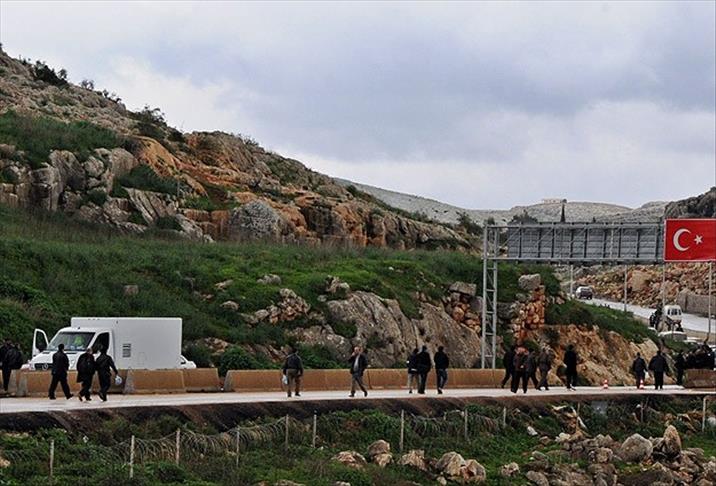
The devastation from blasts, which took place 15 minutes apart at a crowded shopping district and outside a post office in the Reyhanli town just across Syria's Idlib province, was so huge that it ripped through entire buildings and left hulks of twisted metal and charred skeletons from cars scattered over the streets.
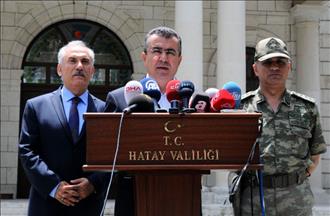
"We have confirmed that the organization and individuals responsible for the deadly blasts were associated with pro-Syrian groups and the intelligence organizations in Syria," Turkish Interior Minister Muammer Guler told reporters in Ankara, the Turkish capital.
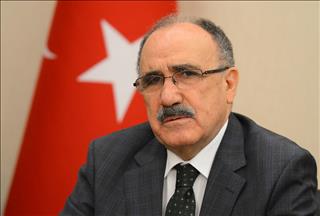
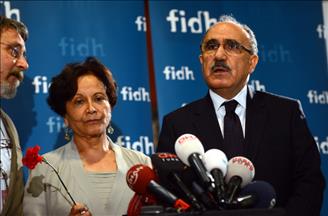
Turkish Deputy Prime Minister Besir Atalay said the assailants were from inside Turkey but they had links with Syria's al-Mukhabarat intelligence service.
Bulent Arinc, another Turkish deputy prime minister, said the "usual suspect" in the blasts was the Assad administration, and al-Mukhabarat and armed groups associated with the Damascus regime.
"Those responsible for the attacks, both domestic and foreign, will be apprehended. And if any link to the Syrian regime is established, there will be things we will need to talk openly and clearly with countries which encourage Syria in this fashion," Turkish Foreign Minister Ahmet Davutoglu told reporters in Berlin.
He said the timing of the attacks was no coincidence given a recent momentum in diplomatic efforts to find a solution to the Syria crisis.
The United States strongly condemned the twin bombings with Secretary of State John F. Kerry expressing solidarity as NATO chief, UN secretary general, France and Britain all condemned the attacks.
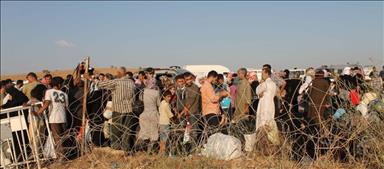
Turkey is a staunch opponent of the Assad regime and it shelters more than 300,000 Syrians.