Mucahithan Avcioglu
04 May 2026•Update: 04 May 2026
- Latest movements come after tanker hit by projectile and US announcing plan to guide stranded ships through contested passage
Commercial shipping through the Strait of Hormuz remained sharply constrained on Monday, with only nine vessels seen moving in either direction over the last 24 hours, according to ship tracking data compiled by Anadolu.
As of 0900GMT on Monday, east-to-west traffic in the last 24 hours included the vessels Ocean Energy, Blue Navigator, Milan, Ganj, Hakim Khamir, and Nooh Gas.
The data showed the ship Ocean Energy in transit with Bandar Abbas, Iran as its destination. The vessel was listed as laden and carrying dirty petroleum products.
The Blue Navigator was also seen in transit, heading to Sultan Qaboos, Oman, while Milan and Ganj were moving toward Khasab and Al Suwaeq, respectively, also both in the Gulf state.
The Hakim Khamir, listed as laden and carrying clean petroleum products, was shown in transit toward New Mangalore, India.
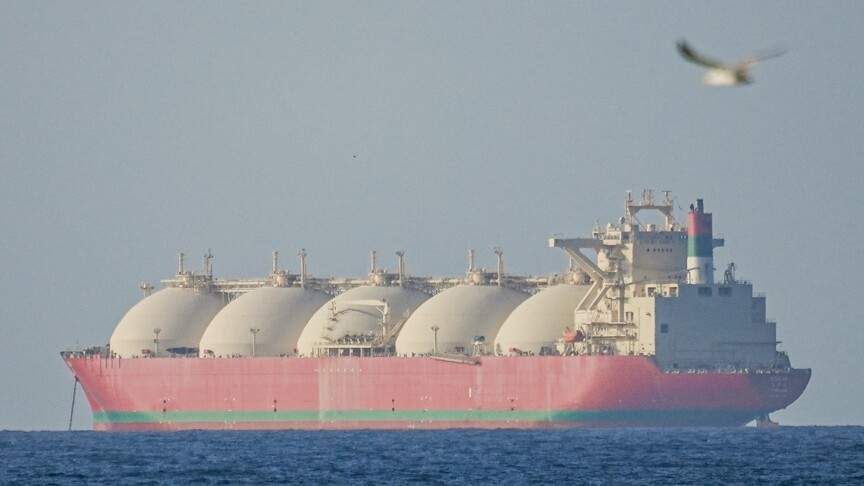
The Nooh Gas, an LPG tanker, was seen moving toward Khasab, Oman.
In the opposite direction, west-to-east traffic included the Muara, Pilatus Marine, and G Jades.
The Muara, a container ship, was listed in transit toward Jebel Ali in the United Arab Emirates, while the Pilatus Marine, a chemical/oil products tanker, was heading to the UAE’s Hamriyah Free Zone.
The G Jades was also seen in transit, according to the data.
The data showed that most vessels were either underway or in transit, also indicating that several vessels were anchored or moored, underscoring continued congestion and caution around the waterway.
Fears of further disruption
The latest movements came after UK Maritime Trade Operations said a tanker was hit by unknown projectiles north of Fujairah, near the Strait of Hormuz, shortly after US President Donald Trump announced Project Freedom, a plan to guide stranded civilian ships through the contested passage.
The incident added to fears that commercial shipping in and around Hormuz could face further disruption, with the narrow strait remaining one of the world’s most important transit routes for crude oil, refined products, and liquefied natural gas.
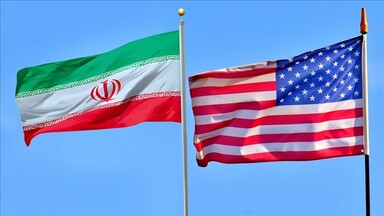
Iran also warned that any US forces entering the strait would be targeted and cautioned commercial vessels and oil tankers against moving without coordination with its military, raising concerns over further constraints on seaborne energy flows.
Trump said the initiative would focus on helping civilian vessels flagged in non-aligned countries exit the waterway and resume operations, with implementation set to begin Monday.
Despite the escalation, Tehran said it is reviewing Washington’s response to its latest 14-point proposal, leaving open the possibility of a diplomatic breakthrough.
Shipping activity around the passage has been closely watched since late February, when the Iran war and related security risks disrupted regional airspace, energy flows, and maritime operations across the Gulf.
The limited number of observed vessel movements suggests that passage through Hormuz remains far below normal levels despite efforts to restore traffic and ease pressure on global energy and shipping markets.