Serdar Dincel
20 May 2026•Update: 20 May 2026
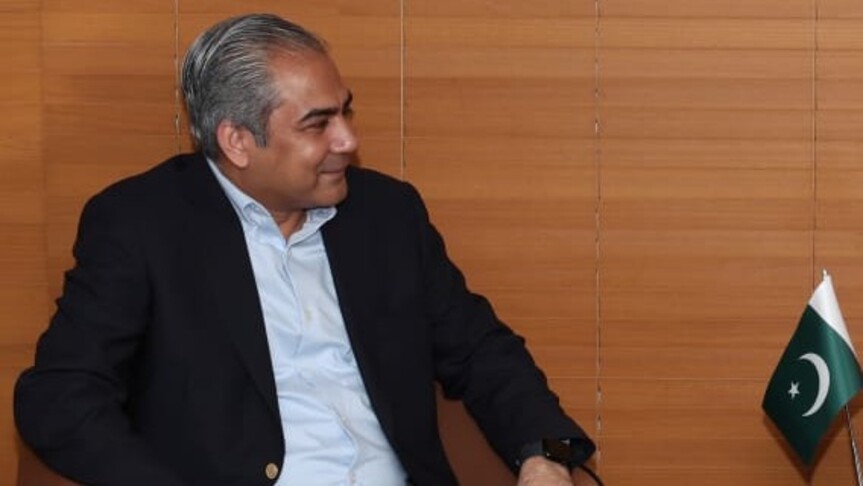
Pakistani Interior Minister Mohsin Naqvi’s visit to Iran aims to "facilitate the exchange of messages" with the US, Iranian Foreign Ministry spokesman Esmaeil Baqaei said on Wednesday.
Naqvi’s presence will also "provide additional explanations to clarify" the texts between Iran and the US, he added in statements carried by the state broadcaster IRIB.
Baqaei's remarks came as Naqvi arrived in Tehran earlier in the day for his second visit to Iran in less than a week amid Islamabad's ongoing mediation efforts between the parties.
"Tehran's main focus is to end the war on all fronts (including Lebanon), release frozen assets, and stop harassing acts and maritime piracy against Iranian shipping," Baqaei said.
While pursuing path negotiations "with seriousness," Iran has "strong and reasonable suspicion" of the US intentions, he stated.
Regarding the Strait of Hormuz, Baqaei said Washington's actions have "disrupted the energy and fuel supply chain in all parts of the world," calling on the international community to pressure the US to end what he called "maritime piracy."
Naqvi also met with Iranian President Masoud Pezeshkian during his trip to Iran.
During their meeting, they discussed the latest regional developments and diplomatic consultations related to the Iran-US talks, according to the state-run IRNA news agency.
Pezeshkian emphasized “the need to continue dialogue, strengthen regional cooperation, and coordinate among Islamic countries,” and appreciated the efforts of the Pakistani government in supporting stability and constructive regional interactions, IRNA said.
Regional tensions have escalated since the US and Israel launched strikes against Iran in February. Tehran retaliated with strikes targeting Israel as well as US allies in the Gulf, along with the closure of the Strait of Hormuz.
A ceasefire took effect on April 8 through Pakistani mediation, but talks in Islamabad failed to secure a lasting agreement. US President Donald Trump later extended the truce indefinitely while maintaining a blockade on vessels traveling to or from Iranian ports through the strategic waterway.