By Mainul Islam Khan
DHAKA, Bangladesh
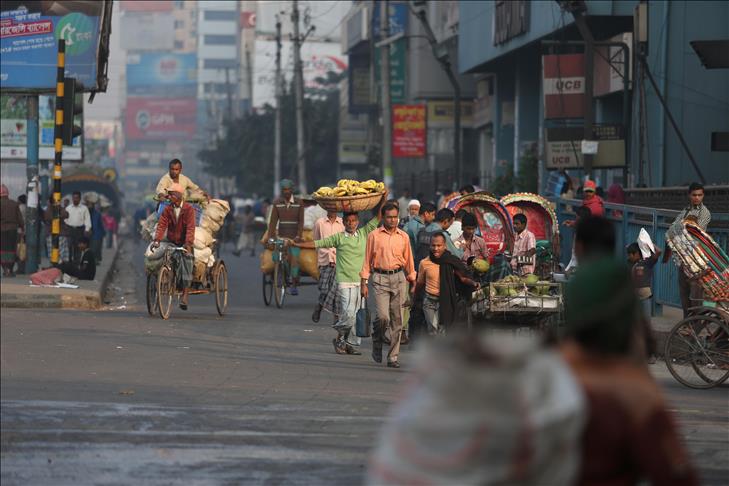
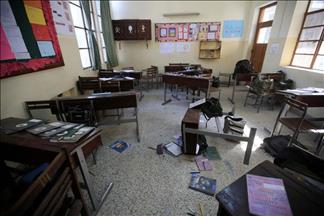
Political violence has brought everyday life in Bangladesh to a standstill for almost three months and few areas have suffered as much as the education system.
Private schools in the capital Dhaka have mostly been forced to remain shut during weekdays -- when the opposition call nationwide shutdowns -- and instead cram their lessons into the two-day weekend. The bulk of learning is done at home, without the supervision of teachers.
"Students are getting tired with loads of homework to finish their respective syllabus and it becomes difficult for them to consume such load without having proper class lectures," said Mussarraf Hossain, a senior teacher at an English-medium school in Dhaka.
Teachers and parents are both worried about the isolation children face, not just because of the lack of teaching but also socially.
Another teacher, Fatima Shagufta, said: "Regular schooling gives students not only scope for enough lectures but also the chance to meet friends and enjoy sports in the school ground. Now with two days of class every week, there is enormous pressure on them and it can sometime cause depression."
Enamul Haq, the father of a student, is also concerned about the effect of political unrest, which has been without break since Jan. 5.
"I am seriously worried about the time which is passing out, my sons are running behind on their curriculum and of course the school authority will try to cover the loss but again it will bring serious mental pressure on the students," he said. "This is definitely an attack on child psychology."
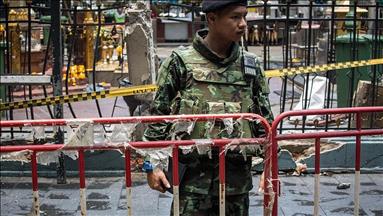
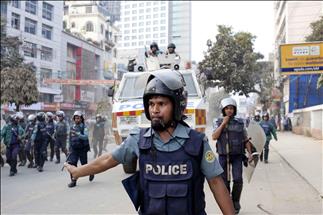
The unrest has been caused by a transport blockade and series of shutdowns, which have seen more than 100 people killed, mainly in petrol bomb attacks, as part of an opposition anti-government agitation campaign launched on Jan. 5. The date marked the first anniversary of a controversial and violent general election.
Every week the opposition Bangladesh Nationalist Party announces new shutdowns and, with both the government and opposition both refusing to flinch, there is little sign of an end to the stalemate, even with Bangladesh's independence day celebrations approaching on March 26.
"We really want to attend classes but not with any apprehensions. It is becoming difficult for us to concentrate on our syllabus before our coming final exams," said Riffat Ahmed, a class eight student. "Sometimes we receive mobile messages from our school authority very late at night about school timings, which is extremely inconvenient for our parents and for us as well. I wish the government will seriously think of something to alleviate our tensions."