Diyar Güldoğan
13 October 2026•Update: 13 October 2026
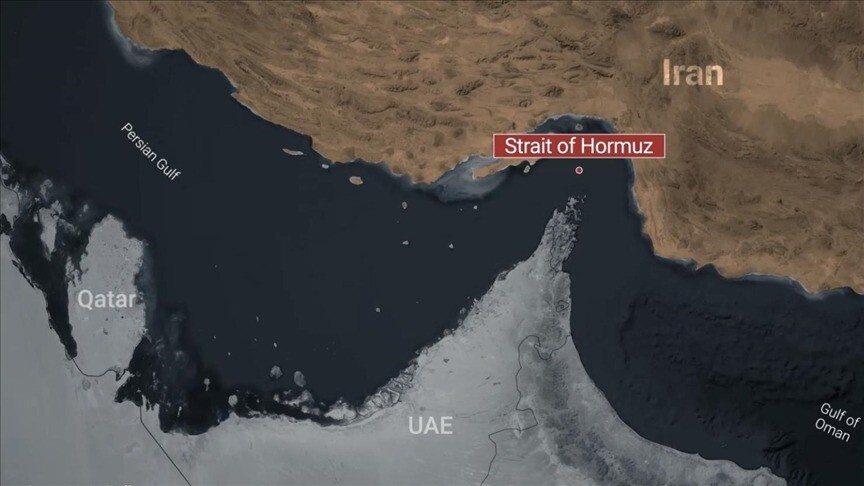
Iranian attacks on ships transiting the Strait of Hormuz have intensified, raising concerns that renewed hostilities could disrupt the recovery in Persian Gulf oil exports, Bloomberg reported on Tuesday.
Shipping industry sources have reported signs that cargo movements through the strategic waterway may be slowing after oil flows approached prewar levels earlier this month.
Available data, however, have yet to show a clear decline in oil-loading activity at several major regional export terminals, and some shipowners have reported no significant disruption to vessel movements, said the report.
The latest escalation comes as tensions spread in the Middle East, with Saudi Arabia facing attacks by Yemen’s Houthi group. The deteriorating security situation helped push crude oil prices above $106 a barrel in London on Monday, although prices eased slightly on Tuesday.
Four tankers were struck by unidentified projectiles in separate incidents while transiting the Strait of Hormuz on Oct. 11, according to the UK Maritime Trade Operations agency. That was roughly twice the agency’s average daily number of reported attacks during the previous week, according to Bloomberg.
The increase in attacks appears to be prompting greater caution among ship operators. Bloomberg-compiled tanker-tracking data showed that more than a dozen supertankers and several Suezmax-class vessels had turned around or reversed course while approaching Fujairah in the United Arab Emirates, near the entrance to the strait.
Shipbrokers and some vessel owners operating in the region have also reported signs of reduced activity, particularly longer waiting times for ship-to-ship oil transfers. One shipowner involved in the operations said traffic had not slowed.
Ship-to-ship transfers have been instrumental in sustaining regional exports. The practice allows shuttle tankers to transport oil through the high-risk Strait of Hormuz before transferring their cargo to other vessels for delivery to international buyers.