Burak Bir
10 September 2026•Update: 10 September 2026
Sharp funding cuts across the globe left tens of millions of people receiving less humanitarian aid, a new report warned Thursday.
The UK-based non-profit Active Learning Network for Accountability and Performance (ALNAP) group warned of escalating humanitarian needs in its sixth edition of The State of the Humanitarian System 2026 report.
The study, which assessed the international humanitarian system from 2022 - 2025, highlighted that the three-year period was marked by major geopolitical shifts and the largest contraction in humanitarian funding in recent history.
"Over 2022–25, state-driven conflict, climate shocks, displacement and attacks on aid workers increased just as donor-government politics drove sharp funding cuts," it noted.
The report stated that one in seven people were affected by conflict, state-based violence escalated and conflict overtook disasters as the main cause of internal displacement.
The figures showed that by the end of 2025, 117.8 million people were displaced worldwide, including 41.6 million refugees.
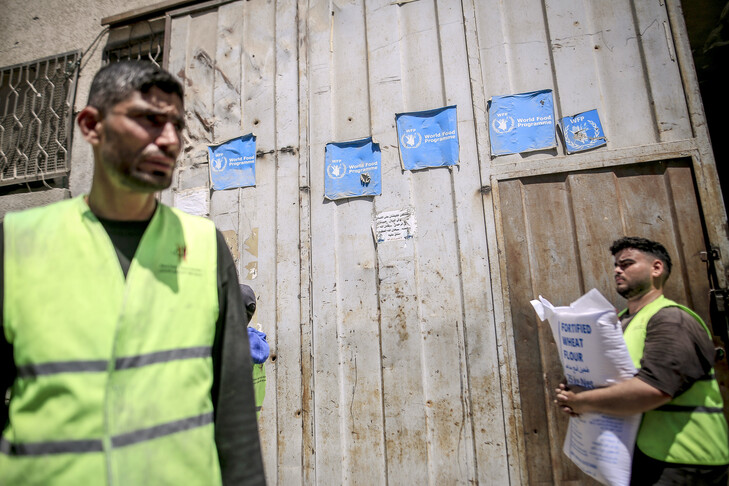
Stressing how conflicts and state policies affected efforts of humanitarian action, the report indicated that political obstruction, conflict and violations of international humanitarian law in Sudan and the Gaza Strip constrained "what even capable humanitarian operations could achieve."
It stressed that with aid contributions cut by 30% between 2022 and 2025 and thousands of aid workers losing their jobs, the humanitarian system has faced one of its biggest struggles.
"The impacts were not felt equally. The combination of reduced funding and restrictive politics meant women, children, elderly people and displaced people were especially hardest hit," said Jennifer Doherty, co-author of the report.
The study warned that funding fell to an estimated $33.3 billion last year from a peak of $47.5 billion in 2022, as USAID had the most dramatic cuts, with a 55% reduction in 2025, as well as cuts by some other donors.