By Alex Jensen
SEOUL
North Korea woke up to a new threat from the United States on Thursday, as Secretary of State John Kerry told reporters in Washington that sanctions alone might not be able to rein in Pyongyang.
The North's official media suggested this week that the world can expect both satellite launches and nuclear advances from the reclusive state, already widely expected to engage in provocation around the 70th anniversary of the founding of its Workers' Party on Oct. 10.
Pyongyang has been repeatedly struck with sanctions by the international community for testing nuclear devices and firing long-range rockets.
"It may take more than sanctions with respect to North Korea because of its almost total absence of a legitimate economy, but nevertheless, we are talking with China, we are talking with Russia, we are talking with our friends in South Korea and Japan and elsewhere about how to proceed," Kerry said.
The senior American official warned the North of "severe consequences" if its provocations continue, admitting there had been "discussions about the potential of what may have to now be done, if indeed [North Korean] media reports and others prove to be true regarding their nuclear facilities at Yongbyon".
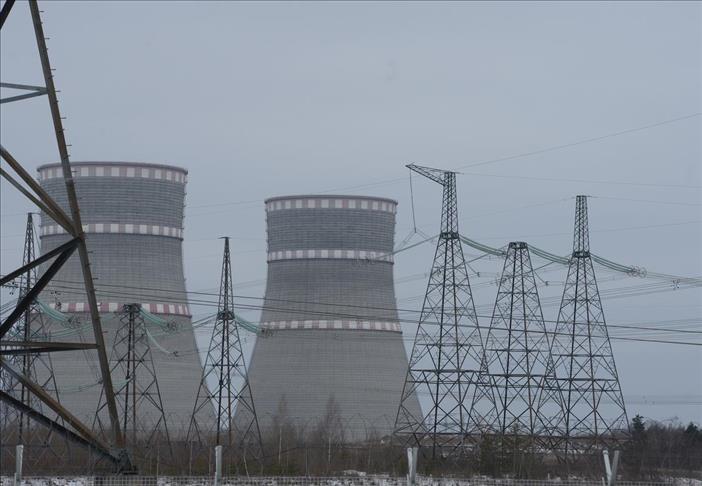
Kerry was referring to the country's main nuclear complex, which North Korea claimed Tuesday is fully operational again after being shut down in 2007 under an international agreement.
Following talks in Washington, South Korea's chief nuclear envoy Hwang Joon-kook also cautioned Pyongyang that it faced "deeper isolation," adding to a chorus of similar comments out of Seoul.
The South is in danger of losing hard-fought diplomatic gains with its northern neighbor, however, in the wake of a breakthrough cooperation deal only last month.
Inter-Korean relations have been strained for decades, since their 1950-53 conflict ended in a truce rather than a peace treaty.