OIC welcomes deal on Syrian chemicals
OIC secretary-general praised the deal on the Syrian regime's chemical stockpile but stressed that 100,000 deaths outweigh the killing of over 1,000 civilians with chemical gases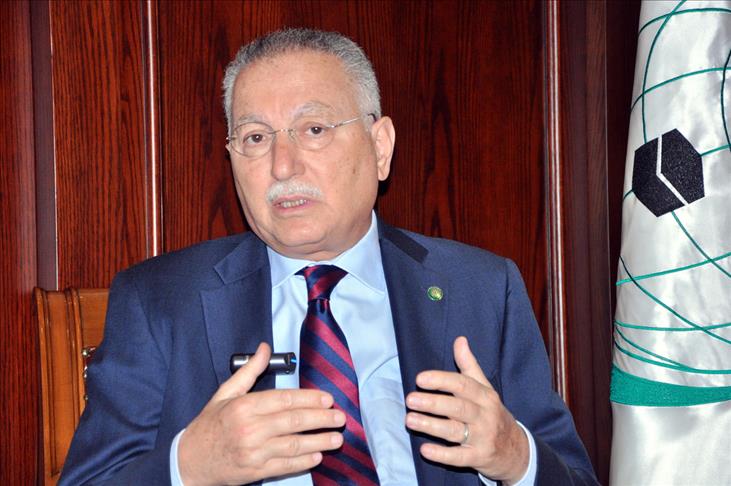
RIYADH
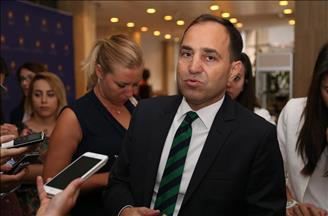
Organization of Islamic Cooperation (OIC) Secretary-General Ekmeleddin Ihsanoglu has praised the Russian-US deal on the destruction of the Syrian regime's chemical weapons stockpile, but emphasized ending the bloodshed in Syria which has claimed more than 100,000 lives while displacing 6 million people.
Ihsanoglu told an AA correspondent he welcomed the deal on striping the Syrian regime of chemical weapons, adding, "The weapons of mass destruction should be abolished. Syria's joining the chemical convention and honoring the agreement is important. We welcome that."
Ihsanoglu raised additional questions over the regime's chemical stockpile. "Who produced weapons and sold them to the Assad regime? And we need to know who attacked civilians with those gases. The UN should find out," he stated.
The UN report on the 21 August attack on a Damascus suburb does not blame any party for the usage of the gases as such indications were not within the UN team's mandate. Nevertheless, some experts claim findings, such as the launching of surface-to-surface rockets containing the sarin nerve agent, places blames on the Assad regime.
Ihsanoglu also voiced his hope that the deal on chemical weapon would be a first step for the Geneva-2 conference that aims to bring to an end the Syrian civil war. But due to the ever changing situation on the ground, the various parties have been unable to gather around the negotiating table to debate the country's future.
Ihsanoglu said 100,000 deaths is more significant than the killing of over 1,000 civilians with chemical gases, and emphasized finding a solution to the 2.5 year conflict. "4 million people became displaced within Syria and 2 million more fled to foreign countries," he added.
The Secretary-General of the OIC, which currently has 57 members including Turkey, Iran and Saudi Arabia, warned that the problems stemming from Middle Eastern regimes are not new and will persist.
He accused dictatorial regimes of forcing their people into living without historical context, drawing attention to regime changes worldwide after the Cold War's end. "People in Europe, Latin America, and Asia introduced good governance and practical regimes in their states with the help of globalization. Unfortunately, we could not see those movements in the Middle East," he said.
englishnews@aa.com.tr