Mucahithan Avcioglu
13 May 2026•Update: 13 May 2026
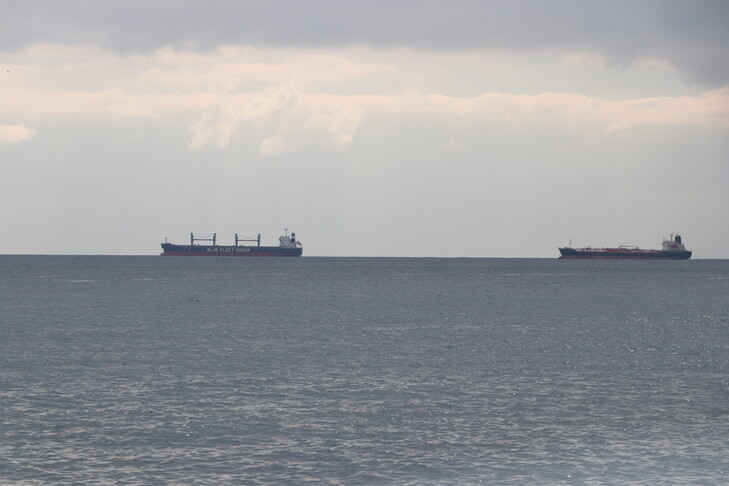
The global "shadow fleet" contracted in April for the first time since December 2025, but oil flows through opaque vessels remained elevated, according to ship tracking platform MarineTraffic.
The shadow fleet recorded 24 new vessel additions and 37 removals in April, bringing the total number of vessels down to 2,793 from 2,806 in March, MarineTraffic said in an analysis published on Tuesday.
The monthly change corresponded to a 0.46% decline, with removals exceeding additions for the first time since October 2025, when 74 removals produced a 1.83% drop.
MarineTraffic said the contraction does not signal structural shrinkage but reflects the fleet’s recurring churn, in which designation events, ownership clarifications, or commercial exits temporarily reduce the count before new vessels enter.
Oil cargo flows through shadow fleet vessels totaled about 258 million barrels in April, broadly maintaining the run rate seen since January.
Russia remained the dominant crude origin, with 67 million barrels moved through shadow fleet vessels in April, accounting for about 26% of total origin flows.
MarineTraffic said Russia’s stable monthly volumes show the fleet continues to serve its main commercial function of moving Russian crude outside the Western-regulated maritime system, despite sanctions and vessel designations.
China’s role as a key destination declined sharply, with shadow fleet crude cargoes bound for China falling to 28.4 million barrels in April from a peak of 59.7 million barrels in October 2025.
The 52% decline suggests a significant behavioral shift among Chinese refiners, banks, or port authorities in response to cumulative sanctions and compliance pressure, MarineTraffic said.
India, meanwhile, received 22.2 million barrels in April, its highest level in the past 12 months.
Clean and dirty oil product flows through shadow fleet vessels also reached a 12-month high in April, totaling about 4.4 million barrels.
Russia-origin product flows increased to 2.8 million barrels, more than doubling the previous monthly Russian reading in the products dataset and accounting for about 63% of April's total product flow.
Iran-origin product flows totaled 574,000 barrels, adding a separate sanctions risk layer to the US Iran sanctions program, MarineTraffic said.
India was the largest named destination for shadow fleet clean and dirty products in April, receiving 1.55 million barrels, marking the first time it had led the product destination breakdown in the previous year.
Among the 24 vessels newly classified as shadow fleet in April, the most common risk marker was lack of International Group P&I Club coverage, identified in 11 vessels, or 46% of the cohort.
Unknown ISM manager and lack of IACS classification were each recorded for eight vessels, while dark ship-to-ship activity was detected in three vessels.
MarineTraffic said May product-flow data will be critical to determining whether April’s Russia-origin product surge was front-loaded ahead of new regulatory measures or whether shadow fleet operators have absorbed the latest sanctions environment without major disruption.