Melike Pala
06 November 2026•Update: 06 November 2026
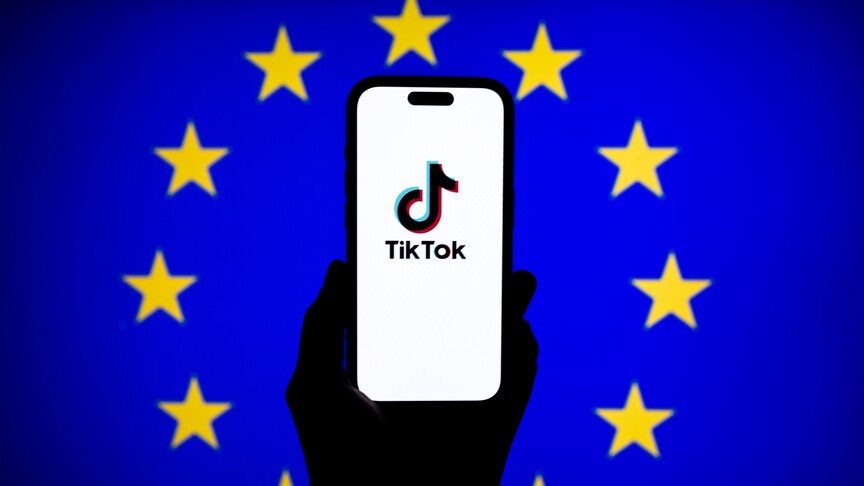
The European Commission said Friday that TikTok’s recommendation algorithm breaches EU rules by potentially exposing users repeatedly to harmful content, according to its preliminary findings.
TikTok’s personalized “For You” feed could draw users into so-called “rabbit holes” of videos about mental health struggles, sadness, isolation and body image, the commission said in a statement.
This repeated exposure could harm users’ mental well-being, particularly minors and vulnerable adults, according to its preliminary findings.
The platform’s algorithm relies on engagement, including video views and likes, to determine which content to recommend. Interacting with potentially triggering material, such as videos about weight loss and body image, could lead to increasingly similar recommendations.
The commission said repeated exposure could heighten sadness and anxiety, lower self-esteem and worsen body dissatisfaction, eating disorders and other mental health conditions.
The bloc also found that TikTok had failed to adequately assess the risks posed by its recommendation system and implement effective measures to mitigate them.
Existing measures, including tools intended to diversify recommendations, were insufficient to prevent users from repeatedly encountering similar material, it said.
TikTok’s “not interested” option may also fail to meaningfully change users’ feeds because the algorithm prioritizes viewing time over explicit requests to see less of certain content.
The commission said TikTok should consider relying more on users’ stated preferences and removing viewing time as a signal for recommendations. It also called for easier-to-use controls and regular testing of the algorithm.
TikTok now has the opportunity to examine the investigation files and respond in writing.
If the commission ultimately confirms the findings, it could issue a non-compliance decision and impose a fine of up to 6% of TikTok's total worldwide annual turnover.
The findings form part of formal proceedings examining TikTok’s compliance with the EU's Digital Services Act, including its addictive design, protection of minors, researchers’ access to public data and advertising transparency.