UNITED NATIONS (AA) - United Nations (UN) wanted Austria to not withdraw its soldiers from the Golan Heights at least until end of July, where a ceasefire was expected between Syria and Israel.
Waiting for a ceasefire between Israel and Syria in the region, UN's Disengagement Observer Force Zone (UNDOF) was negatively affected by the jump of Syrian army and oppositions' clashes to Golan Heights.
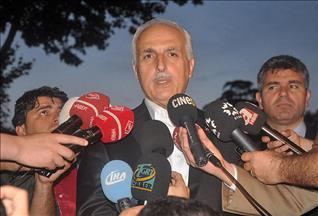
Spokesman for the office of UN's secretary general, Martin Nesirky stated in a press release that UN department of peacekeeping operations wanted Austria to reconsider its decision on withdrawing the soldiers in order that UNDOF could fulfill its duty.
"Peacekeeping department wants Austria to not withdraw its soldiers at least until end of July and leave all of its equipments to the mission while withdrawing," Nesirky said.
Last week, UN Secretary-General Ban Ki-moon had called on all parties, "to respect UNDOF’s freedom of movement and safety and security," and underlined that any military activity in the area of separation had the potential to escalate tensions between Israel and Syria and to jeopardize the long-held ceasefire between the two countries. He also stated in a report to increase the number of soldiers to 1,250 into which Russia replied in the affirmative but could not take place as the protocol between Israel and Syria was in existence.
Ban said he regretted Austria’s decision to withdraw its troops from the United Nations peacekeeping force in the Golan Heights, which had faced a number of security risks and operational challenges in recent months amid the escalating conflict in Syria.
UN Spokesperson Martin Nesirky previously had told 911 soldiers took active role in the UNDOF and Austria decided to withdraw its troops, 377 soldiers from the United Nations peacekeeping force in the Golan Heights after 2 UN personnel were wounded and withheld from time to time.
Austria's first troop departed Thursday from the region. 534 soldiers will remain in the region after Austria withdraws its troops, where both Croatia and Japan had wtihdrew their troops upon security risks in the region.
He had added the Philippines did not decide to withdraw their troops yet.
Austria is one of three countries – along with India and the Philippines – that contribute military personnel to UNDOF, which monitors the 1974 disengagement accord between Syria and Israel after their 1973 war.
UN Security Council still negotiates with some countries to send soldiers to UNDOF, where Fiji is considered to possibly send a troop to UNDOF.
Debates continue on Russia's offer to send peacekeepers to Syria
Syrian Deputy Foreign Minister Faisal-al-Mikdad said on Friday Syria welcomed Russia's offer to send peacekeepers to the Golan Heights.
Al-Mikdad told the Russian state-run Rin-Novosti news agency Syria would be pleased to see Russian peacekeepers in the Golan Heights.
Israel's Deputy Foreign Minister Zeev Elkin had said on his visit to Moscow, it was juristically impossible for Russia to send peacekeepers to the Golan Heights.
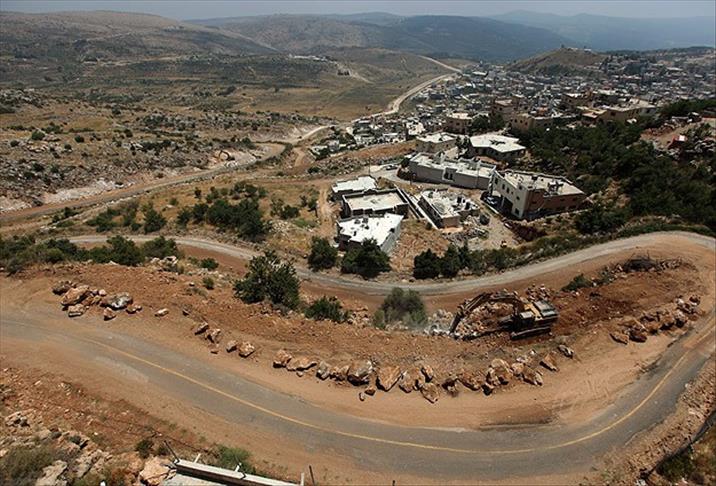
The Golan Heights, in south-western Syria, was seized by Israel following "Six-Day Wars" in 1967. Israel announced in 1981 that it annexed the Golan Heights and the region came under Israeli military control.
Although the United Nations (UN) did not recognize Israel's move and called on Israel to give back the lands it took from Syria, the Golan Heights have been a disputed region between Syria and Israel.
Russian administration had said Russia was ready to deploy its troops to the Golan Heights to replace Austrian troops. Austria had said it would withdraw its troops from the region following violent clashes between the Syrian army and the Syrian opposition.
Syria has been in a civil war since March 2011. More than 80,000 people have been killed and 1.5 million Syrians have fled the worn-torn country, according to the UN.
englishnews@aa.com.tr