Efe Ozkan
27 October 2026•Update: 27 October 2026
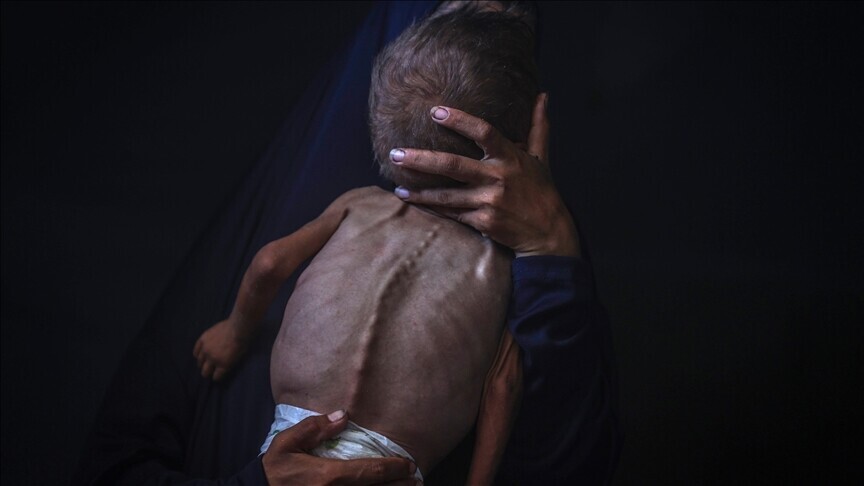
A widening gap between official development assistance and global development and humanitarian needs could have serious consequences for human security and political stability, the Stockholm International Peace Research Institute (SIPRI) said in a report released Tuesday.
The report said the gap could be closed with only a small fraction of the resources being directed toward increased military spending.
Global military expenditures reached a record $2.9 trillion in 2025, equivalent to 2.5% of global gross domestic product, according to SIPRI data.
At the same time, official development assistance (ODA) has declined since 2024, based on figures from the Organization for Economic Cooperation and Development (OECD).
SIPRI said core official development assistance spending began to stagnate in 2021, a trend temporarily obscured by increased aid to Ukraine following the start of the war in 2022 and higher spending by donor countries on hosting refugees.
The largest declines in core official development assistance spending have been seen in economic infrastructure and health, according to the report.
“Wealthy states in Europe and beyond have sharply increased their military spending in response to rising military threats,” said Xiao Liang, a researcher with SIPRI's Military Expenditure and Arms Production Program.
“But this has coincided with deep cuts in other budget lines, including development and humanitarian aid. This can create widespread insecurity for people and states that rely on aid.”
'Sustained withdrawal of vital humanitarian and development assistance' even as needs 'are growing'
SIPRI researchers estimate that official development assistance funding needs could reach as much as $326 billion in 2028, depending on developments related to armed conflicts, natural disasters, and other factors.
That would leave a potential funding gap of $179 billion, exceeding the total amount of official development assistance expected to be committed in 2028.
“We are in the middle of a sustained withdrawal of vital humanitarian and development assistance at a time when needs for it are growing,” said Nan Tian, the director of SIPRI's Military Expenditure and Arms Production Program.
He added that the projected funding gap represents only a fraction of the additional resources being allocated to military spending and that meeting future official development assistance needs remains affordable.
The report examined recent development aid and military spending policies in Germany and the UK, finding that governments had cited the need to finance higher military spending when justifying cuts to official development assistance.
However, SIPRI said the reductions in aid made only a marginal contribution to planned increases in military expenditure.
“With the weakening of international cooperation and rising geopolitical tensions and militarization, it is understandable that states are seeking to invest in their security,” Liang said.
“But military capabilities alone do not guarantee security. Development aid can address long-term drivers of insecurity and should therefore be seen as complementing military spending, not competing with it.”