Islamuddin Sajid and Saadet Gokce
29 April 2026•Update: 29 April 2026
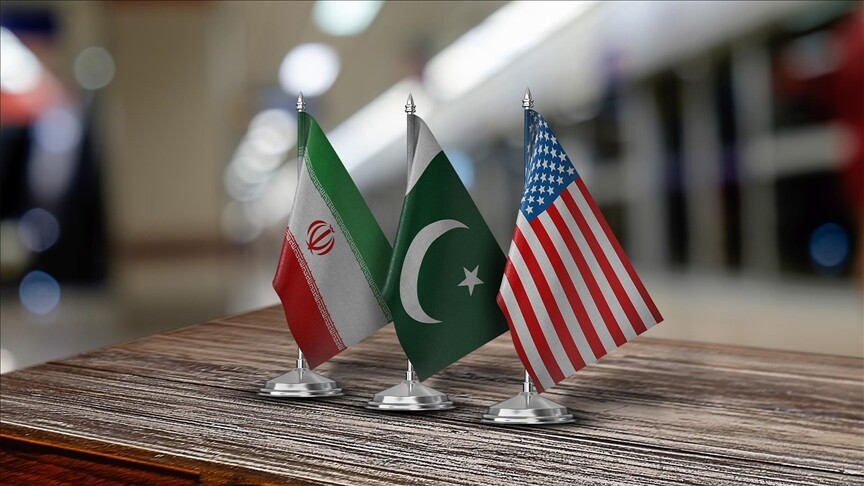
Pakistan’s Prime Minister Shehbaz Sharif on Wednesday said diplomatic efforts to ease tensions in the Middle East are continuing “consistently,” amid a stalemate in US-Iran talks.
Addressing a Cabinet meeting, Sharif said negotiations between Washington and Tehran earlier this month, which were hosted in Islamabad, lasted for 21 hours, with Pakistan playing an active behind-the-scenes role.
"Our efforts for peace continue consistently and will continue," Sharif told the government ministers.
He praised the efforts of Foreign Minister Ishaq Dar, Chief of Army Staff Field Marshal Asim Munir and Interior Minister Mohsin Naqvi, who met both sides and facilitated the talks.
Sharif said he also held a detailed two-hour meeting with Iran’s Foreign Minister Abbas Araghchi, who visited Islamabad on Friday and then briefly returned again on Sunday from Muscat, before leaving for Moscow.
The premier said Araghchi assured him he will respond to Pakistan after discussions with the Iranian leadership.
Highlighting the broader impact of the crisis, he warned that rising oil prices are adding to global economic pressures. “We are facing a challenging situation,” he said.
Sharif said Islamabad recently repaid $3.5 billion loan to the UAE, and thanked Saudi Crown Prince Mohammed bin Salman for assistance in this regard. Riyadh recently approved a new $3 billion loan and extended an existing $5 billion deposit.
Pakistani Foreign Minister Ishaq Dar on Wednesday also discussed the regional situation with the UK Foreign Secretary Yvette Cooper on a phone call.
Cooper reiterated UK’s appreciation for Pakistan’s “sustained efforts for peace and stability in the region, as well as its continued engagement in this regard,” according to a statement from the Pakistani Foreign Ministry.
Dar reaffirmed Pakistan’s commitment to promoting “dialogue, diplomacy, and constructive engagement” between the parties.
The US and Israel began strikes on Iran on Feb. 28, prompting retaliation from Tehran against US allies in the Gulf, and closing the Strait of Hormuz.
A ceasefire was announced on April 8 through Pakistani mediation, followed by talks in Islamabad on April 11, but an agreement could not be reached.
Trump later said the truce had been extended at Pakistan’s request, pending a proposal from Tehran.
Iran is said to have proposed to reopen the Strait of Hormuz while leaving questions about its nuclear program for later negotiations.