Burhan Sansarlioglu, Emirhan Yilmaz and Emir Yildirim
09 September 2026•Update: 09 September 2026
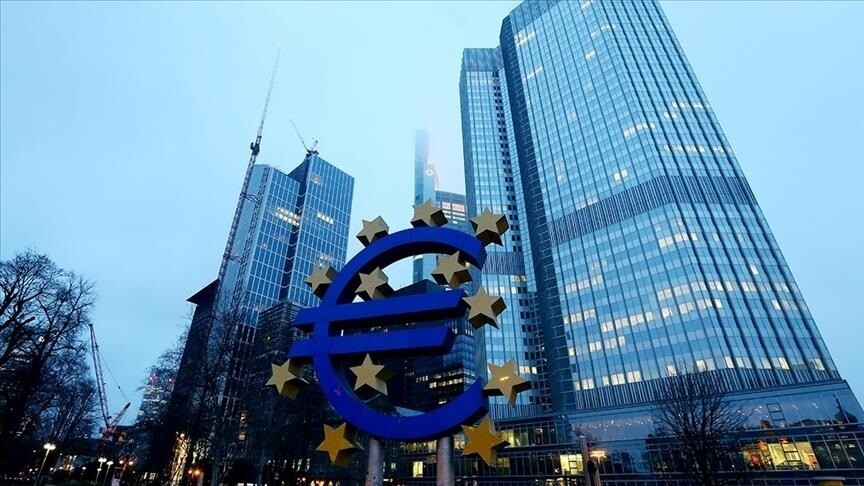
The European Central Bank (ECB) is gearing up for its second rate hike of the year amid inflationary pressures, mostly due to energy prices, while all eyes are turned to the bank’s projections and its president Christine Lagarde’s upcoming statements.
Oil prices once again reached $100 a barrel due to the ongoing Middle East conflict, while natural gas prices in Europe rose to levels higher than those of 2023.
The eurozone’s annual inflation rose to its highest level in the past three years at 3.3% in August due to the rapid rise in energy prices.
Peter Vanden Houte, chief economist at the ING Group, told Anadolu that the bank is expected to raise its deposit rate by 25 basis points to 2.5% due to the eurozone economy’s resilience and that high energy prices pushed inflation back up above 3%.
Houte stated that core and services inflation have yet to signal broader concerns as the ongoing pressures remain largely energy-driven, which could prevent the ECB from adopting an overly hawkish stance at its upcoming conference.
“We expect the ECB’s new projections to contain only modest upward revisions to growth and inflation forecasts,” he said. “Although financial markets are pricing in further rate increases later this year, we are a bit more cautious.”
Houte noted that the bank might adopt a wait-and-see stance after this month’s rate hike.
“Only if the Middle-East conflict drags on, potentially pushing energy prices even higher, the ECB might consider hiking rates again in December,” he added.
Bill Diviney, head of macro research and senior eurozone economist at ABN AMRO, told Anadolu that the bank’s updated macroeconomic forecasts and Lagarde’s remarks will draw attention from the markets, as the ECB’s 2027 inflation forecast is expected to see an upward revision.
“Lagarde will likely be pressed on the prospect of future moves given that markets are pricing in nearly two more hikes after September’s move, but while we expect hawkish rhetoric around inflation, she is likely to reiterate the ECB’s meeting-by-meeting approach,” he said.
Alain Durree, head of European macro research at Natixis, stated that Lagarde might adopt a neutral tone in the near future to keep all options on the table while avoiding signaling a prolonged rate-hiking cycle.
Durree noted that the ECB would not pause rate hikes until the end of 2027.
“First, a resolution of the Middle East conflicts by early January should ease energy prices. Second, softening labor market conditions by then will limit the risk of second-round effects,” he said.
“Third, the projected appreciation of the euro will further dampen both headline and core inflation,” he added, noting that these three main factors could support the bank’s likelihood to continue rate hikes despite a complex economic balance after September.
Marco Wagner, senior economist at Commerzbank, told Anadolu that the bank’s trajectory after this month’s rate hike is “less certain.”
“Investors in the futures markets expect two more rate hikes by the middle of next year; however, we consider it more likely that key interest rates will remain unchanged in the coming months,” he said.