Andrew Jay Rosenbaum
08 January 2016•Update: 09 January 2016
ANKARA
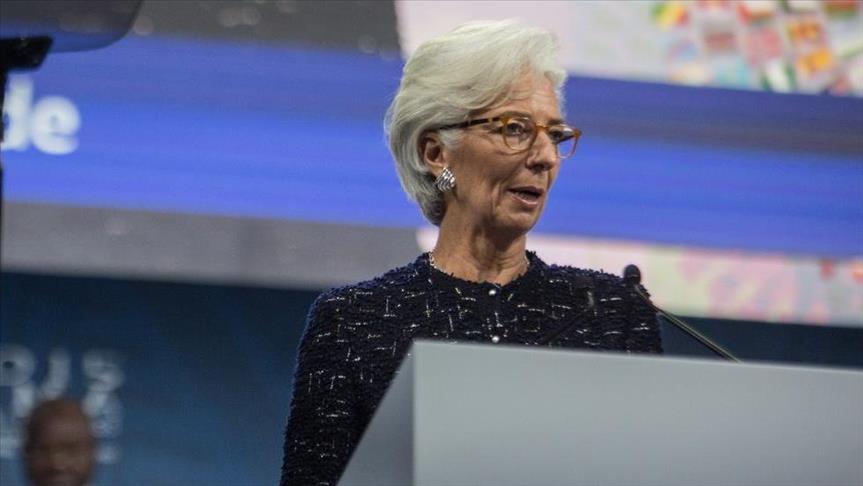
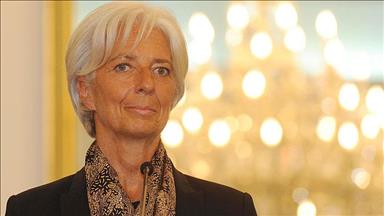
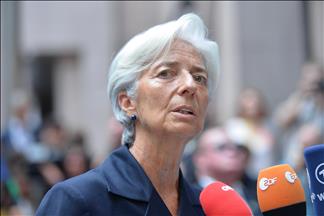
The prolonged slump in oil prices presents a new reality for the Economic Community of Central African States (Communaue Economique et Monetaire des Etats de l'Afrique Centrale or CEMAC), International Monetary Fund (IMF) Managing Director Christine Lagarde said on Friday.
Speaking to a gathering of the ministers of finance and economy of the CEMAC Member Countries in Yaounde, Cameroon on Friday, Lagard said: "Oil prices this time around are expected to stay low for long. Indeed, futures markets point to only a modest recovery of prices to about US$60 by 2019."
Currently oil represents about 70 percent of CEMAC’s exports and more than a third of its fiscal revenues, Lagarde noted.
"But the good news is that several CEMAC members have used the windfall from oil revenues to remove longstanding impediments in the economy. For example, Gabon used a large part of windfall to reduce its debt by 50 percent in 2008 and rebuild reserves. In Chad, the increase in expenditure on education was reflected in a substantial increase in primary school enrolment -- from 68 percent in 2000 to near universal enrollment in 2012. And in the Republic of Congo, an ambitious National Development Plan was launched to address large social and infrastructure gaps."
But the prospect of prolonged low oil prices implies much tighter financing envelopes going forward, she warned, adding that the shock from Boko Haram attacks in Cameroon’s extreme north and parts of Chad have disrupted economic activity and necessitated an increase in military spending, Lagarde said.
"The toll on activity of these two shocks has been significant. Growth in CEMAC is estimated to have slowed to about 2 percent in 2015, though outcomes vary widely across members. For instance, Equatorial Guinea experienced a severe contraction, while Cameroon posted robust growth that is projected to carry over to 2016," she said.
"At the same time, the sustained implementation of large infrastructure programs has brought fiscal pressures to the fore. The combined fiscal deficit for CEMAC is estimated to have widened to 6.5 percent of regional GDP in 2015, with only a modest improvement projected for this year," Lagarde continued.
"While activity in CEMAC is projected to rebound to about 3.5 percent this year, this outlook is predicated on sound policies that safeguard macroeconomic stability and remove the drag on growth," Lagarde said.
Macroeconomic stability will hinge on smart fiscal policies and determined structural reforms to strengthen the business climate and regional integration. It will require the region to open up to its neighbors and tap into their markets to regain momentum, according to Lagarde.
Lagarde cited three priorities for an improved economic outlook.
"First priority -- spend better. The right set of complementary infrastructure projects is clearly a pre-requisite for sustainable and inclusive growth," Lagarde said, but choosing the right projects means scaling back some plans.
The second priority is tax collection. "Collect more. Alleviating fiscal pressures also requires better mobilization of domestic resources. That means determined action on the non-oil revenue base," she added.
The third priority is increased trade among CEMAC members, Lagarde explained. "Of all formal trade conducted by CEMAC countries, less than 5 percent involves intra-CEMAC commerce. There is scope to do more. There are obvious synergies to be reaped from working together."
Supporting the private sector would lead to growth and diversification, and this could be achieved by improving the business climate, and by setting fiscal rules that are consistent across the region to attract more investment.
"There is strength in your diversity and success in your unity. By coming together today, you can harness the dividends from integration and deliver on the region’s promise of greater prosperity for its people tomorrow," Lagarde concluded.