Melike Pala
09 April 2026•Update: 09 April 2026
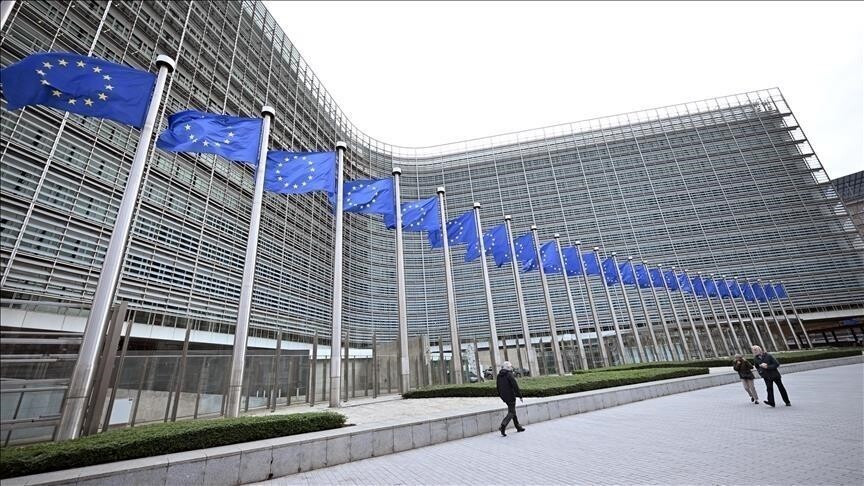
The European Commission and EU member states on Thursday said that no immediate risks to gas supply are currently observed, but warned that the blockage of the Strait of Hormuz could have long-term effects on energy flows.
The statement came after a meeting of the Gas Coordination Group, where EU officials, industry representatives, and transmission system operators discussed the security of gas supply amid ongoing Middle East disruptions entering their sixth week.
The European Network of Transmission System Operators for Gas (ENTSOG) reported that depending on liquefied natural gas (LNG) availability, EU gas storage could reach at least 80% by November, underscoring the flexibility and resilience of Europe's energy infrastructure.
While the market has seen some easing in prices following a temporary ceasefire, the statement stressed that uncertainty and volatility remain, especially as damage to regional energy infrastructure continues and LNG production in the Gulf has not fully resumed.
Member states are encouraged to make use of flexibility provisions in the Gas Storage Regulation and consider adjusting their storage targets to 80% early in the refill season to ensure market stability.
On Wednesday, an ad hoc meeting of the Oil Coordination Group was also held, during which representatives from the European Commission, EU member states, and the oil industry provided updated assessments of the EU’s oil security of supply.
Industry officials present at the meeting said that oil supply in the EU remains stable for now, although global price volatility continues to affect market conditions.
They also underscored concerns over the ongoing uncertainty surrounding the duration of the conflict, stressing the need to avoid undue market interference while ensuring transparency and strengthened coordination at the EU level.
The statement noted that the exchanges in the Oil Coordination Group will feed into the preparation of a forthcoming "EU Toolbox" requested last month by EU leaders to address potential supply challenges.