Şeyma Erkul Dayanç
21 August 2026•Update: 21 August 2026
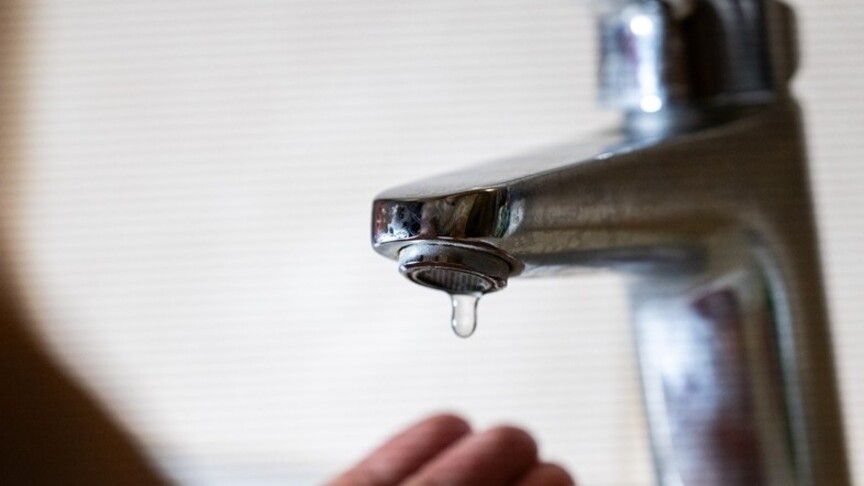
Authorities in Savoie, France have banned the use of tap water for drinking in two communities after uranium levels exceeded the limit set under new European drinking water standards, public outlet ICI reported Friday.
The issue concerns 1,760 residents across three communities: La Chambre, Les Chavannes, and La Chapelle.
The problem has already been resolved in La Chambre, which has two separate water networks and disconnected the network affected by uranium.
The prefecture, the Auvergne-Rhone-Alpes Regional Health Agency (ARS), and the mayors of Les Chavannes and La Chapelle have banned the use of tap water for drinking and for preparing and cooking food.
The water can still be used for other household purposes, including bathing, showering, laundry, and washing dishes.
The restrictions follow the entry into force of new European drinking water standards in 2026, which set the limit for chemical uranium in drinking water at 30 micrograms per liter.
The ARS said the situation was not caused by a sudden new source of pollution or acute poisoning, noting that uranium occurs naturally in the area's underground geology.
What has changed is that uranium concentrations are now included in health monitoring under the new European drinking water standards.
The health agency said prolonged consumption of water with excessive uranium concentrations can affect kidney function.
Since late July, La Chapelle has distributed bottled water three evenings a week. Mayor Isabelle Quillet said the distribution cost the small municipality about €5,000 ($5,840) for three weeks.
Authorities in Les Chavannes are also preparing bottled water distribution after water analysis results were released Friday afternoon.
Local authorities, the water network operator, and state services are studying longer-term solutions, including water filtration and a treatment facility.