Oliver Towfigh Nia
05 November 2026•Update: 05 November 2026
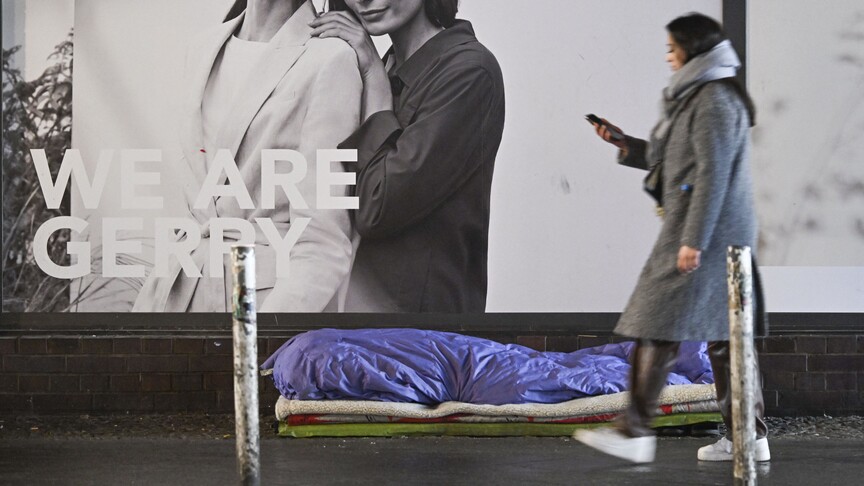
Germany’s poverty rate has risen 45% since 1992, while income inequality stands near its highest level in three decades, according to a report released Thursday by the Institute of Economic and Social Research (WSI).
The share of households living in poverty increased from 11.9% in 1992 to 17.3% in 2024, the institute said.
The study defines poverty as having a disposable income below 60% of the national median. For someone living alone, that means an annual net income below €15,673.
Meanwhile, the share of very high-income households – those earning more than three times the median – rose from 1.1% to 1.9%. For a single person, that category begins above €78,366 a year.
The broader high-income group, earning more than twice the median, accounted for 7% of households in 2024, compared with 5.7% in 1992.
The report linked widening inequality partly to the declining effectiveness of taxes and social transfers in redistributing income over the past decade.
It also pointed to increased part-time employment, often linked to a lack of childcare options.
WSI Director Bettina Kohlrausch also warned that employment alone was not ensuring that everyone benefited from economic gains.
"We have observed an increase and deepening of poverty, as well as a rise in income inequality – even during periods of low unemployment,” she said in a statement.
She warned that social welfare cuts currently under discussion would further widen inequality.