Rania Abushamala
17 August 2026•Update: 17 August 2026
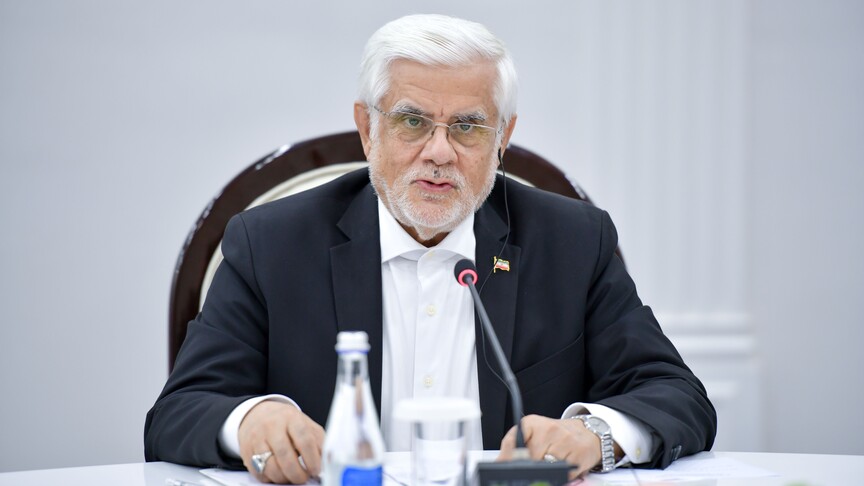
Iran is seeking “long-term” gasoline price liberalization, leading to eventual increases, while President Masoud Pezeshkian has decided to end internet filtering, First Vice President Mohammad Reza Aref said Monday.
“The government does not intend to reduce the first gasoline quota,” Aref said, according to Iran’s Tasnim news agency.
“But the second quota must be gradually reduced because the government’s strategy is to move toward price liberalization in the long term,” he added.
According to Aref, planned structural reforms related to gasoline prices were halted by the current conflict with the United States.
He added, however, that adjustments to fuel quotas – carried out in two stages – had saved roughly 10 million liters.
On internet restrictions, Aref said that Pezeshkian had decided to “close the filtering file.”
The process, he said, would take some time due to the involvement of legally mandated institutions and councils.
He added that internet filtering would be resolved gradually, stressing that the improvement of service quality was a government priority.
Aref also urged Iranian media to shift from a “defensive position to an offensive one,” arguing that, in terms of media coverage, “the first narrator wins.”
On Saturday, Pezeshkian said Iran’s economic situation had worsened since the start of the war due to declining oil revenues and the destruction of infrastructure.
In late February, Israel and the United States launched a surprise attack on Iran targeting military, nuclear and energy infrastructure.
Tehran responded with unexpectedly robust missile and drone attacks on Israeli and US targets across the region.
In mid-June, Tehran and Washington – with Pakistani and Qatari mediation – signed a memorandum of understanding, ostensibly ending active hostilities and launching talks toward a final agreement.
But the talks later stalled amid disputes over maritime security and freedom of navigation through the Strait of Hormuz, a critical export route for Gulf oil and gas.