Michael Sercan Daventry
09 May 2016•Update: 12 May 2016
LONDON
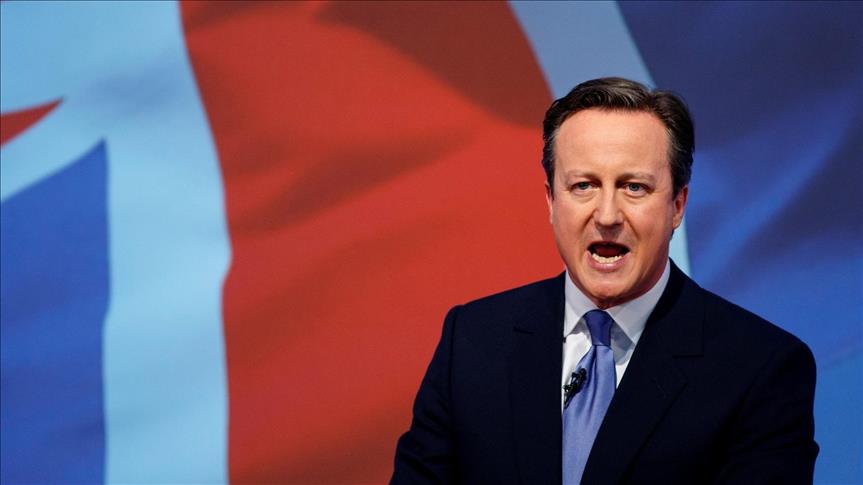
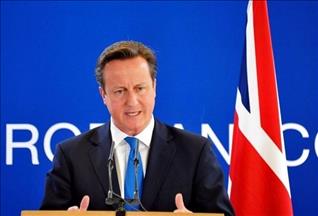
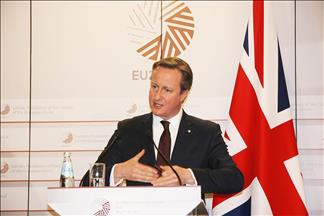
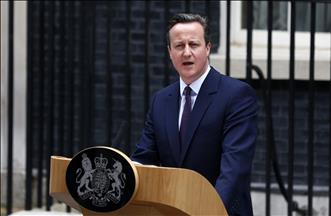
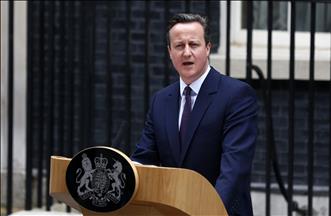
Peace and stability across Europe would be threatened by Britain leaving the EU, Prime Minister David Cameron said Monday.
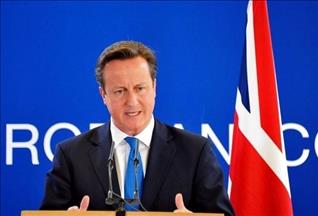
Speaking at the British Museum in central London, Cameron said Europe had been beset by centuries of war and argued there was “safety in numbers” in the fight against adversaries such as Daesh.
In one of his most significant speeches in the campaign to remain in Europe, Cameron said the U.K. had regretted “turning its back” on the continent in the past.
“It takes a network to defeat a network and European measures are a key weapon,” he said. “I don't argue that if we left we would lose any ability to co-operate with our neighbors on a bilateral basis or even potentially through some EU mechanisms.
“But it's clear that leaving the EU would make co-operation more legally complex and make our access to vital information much slower and more difficult.”
Britain is to hold a referendum on remaining in the EU on June 23 and Cameron is a leading campaigner to stay in the bloc.
He said that while the NATO military alliance was the cornerstone of Britain’s defense policy, the EU had a vital role in reinforcing it.
The prime minister compared the referendum to the decisive moments of the 20th century - the world wars and the fall of communism.
“What happens in our neighborhood matters to Britain,” he said. “That was true in 1914, in 1940 and in 1989.”
“Or, you could add 1588, 1704 and 1815,” he said, referring respectively to the battles of the Spanish Armada, Blenheim and Waterloo, all pivotal moments in European history.
In response, Nigel Farage, leader of the anti-EU U.K. Independence Party (UKIP), tweeted that Sunday’s anti-government protests in Athens showed the continent was in turmoil.
“Does Mr. Cameron really think the violent clashes in Athens last night represent peace?” he said. “The anti-democratic EU, far from bringing countries together, has divided Europe.”